New Delhi. India’s seafood export future hinges on adopting global sustainability standards, with the Marine Stewardship Council (MSC) certification emerging as the key to unlocking lucrative international markets and securing the long-term health of the country’s marine resources.
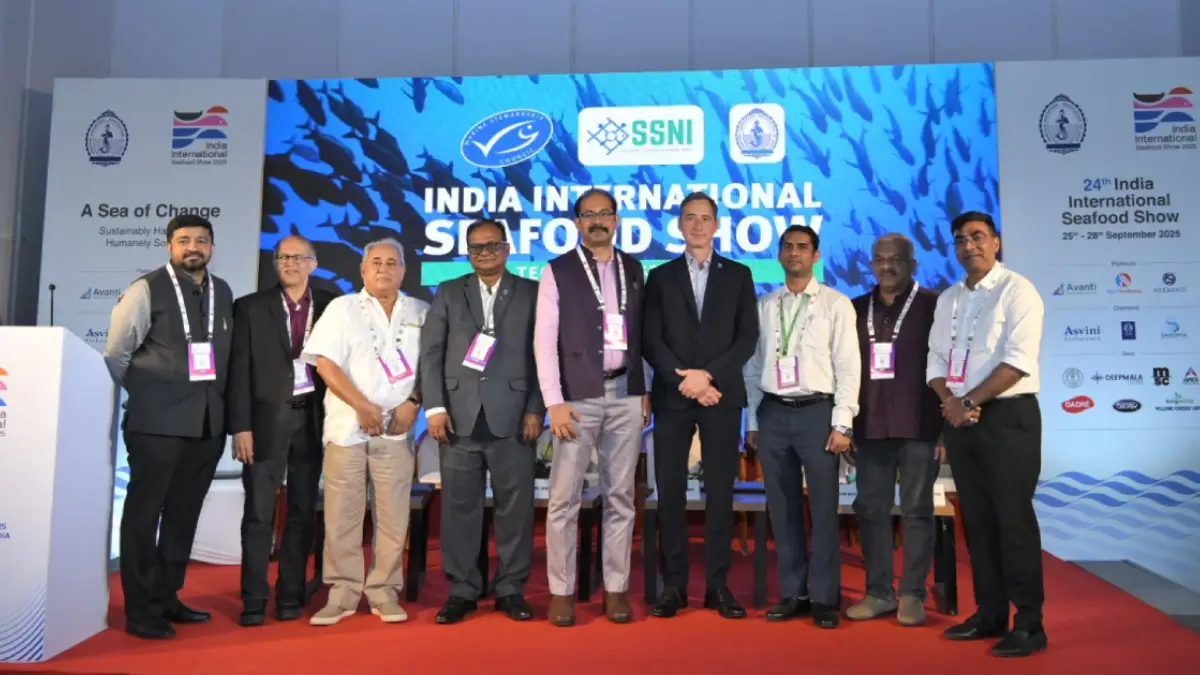
This was the consensus among experts at a recent technical session jointly hosted by the MSC, the Sustainable Seafood Network India (SSNI), and the Seafood Exporters Association of India (SEAI) at the World Food India event in New Delhi.
MSC Programme Director Michael Marriott highlighted the significance of the MSC certification process in maintaining sustainability in the fisheries sector amid a global crisis of increasing demand and collapsing fish stocks.
According to Mr Marriott, over 30% of global fish stocks are currently fished beyond biological limits, a figure that has tripled since 1974.
The Marine Stewardship Council (MSC) was presented as an international, not-for-profit NGO using a voluntary certification and ecolabelling programme to transform the global seafood market.
“Ecolabelling is becoming increasingly important. We believe an external audit of our fisheries and management systems will increase our credibility in the marketplace and at the same time contribute to preventing any disadvantageous development in the fisheries”, Mr. Marriott said.
India’s Progress on the MSC Pathway
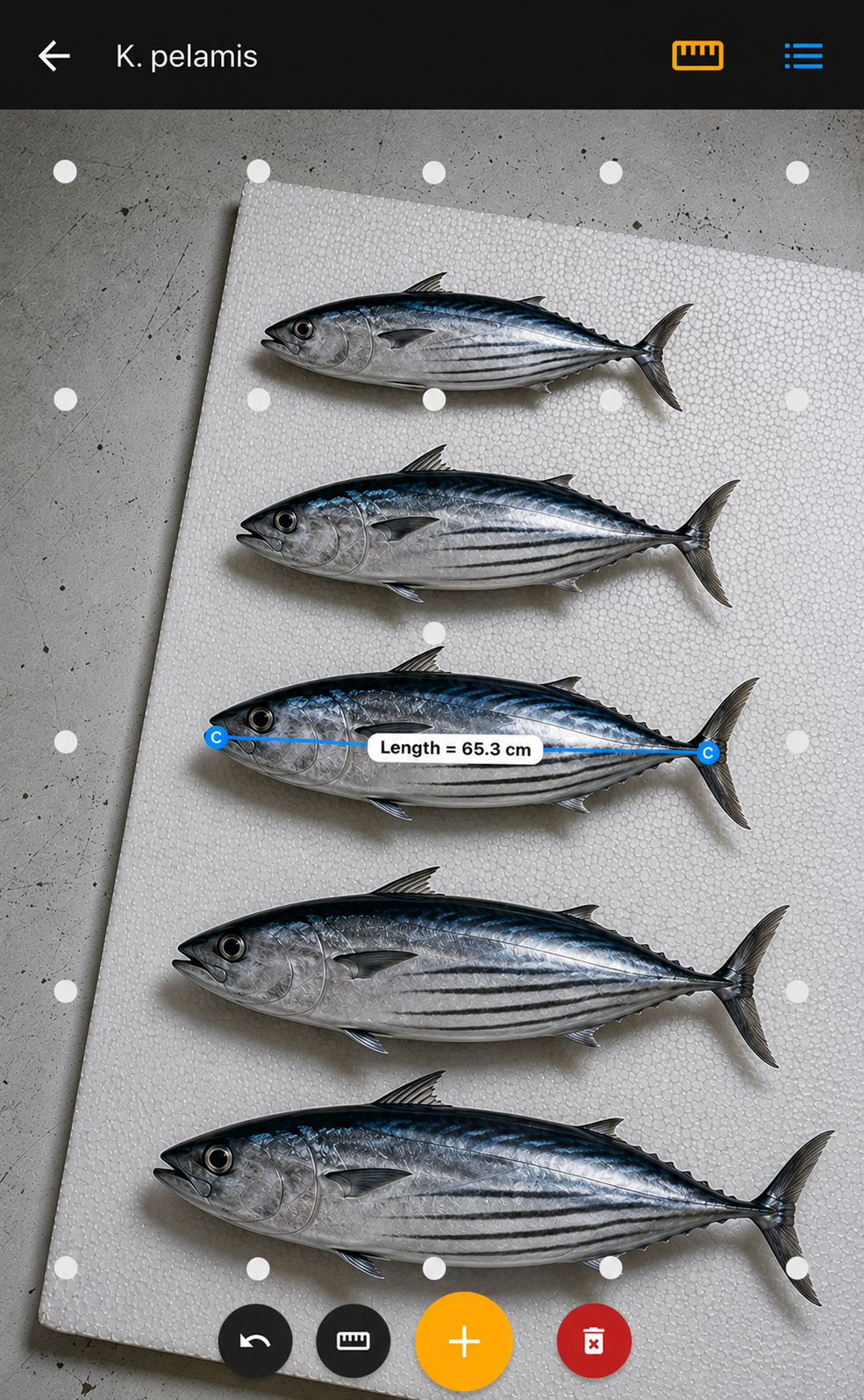
Dr. Ranjit Suseelan of MSC India detailed the country’s engagement with the MSC standards. “Currently, 10 types of high-value fisheries are being targeted for MSC certification, including blue swimming crab, shrimp, red ring shrimp, squid, whelk, flower shrimp, cuttlefish, lobster, skipjack tuna, and Japanese threadfin bream”, he added.
Adopting MSC certification is not just an environmental choice, but a strategic necessity for Indian seafood exporters to capitalize on global consumer preference for sustainable products and ensure the long-term viability of the nation’s marine resources, Dr Suseelan said.
Citing global trends, he said the MSC certified products often fetch a price premium of up to 30% in international markets, boosting India’s seafood export potential.
The certification drive is being backed by national research institutes such as Central Marine Fisheries Research Institute (CMFRI) and Central Institute of Fisheries Technology (CIFT) and agencies such as SEAI.
A panel discussion involving experts from India’s Government Fisheries Department, CMFRI, seafood exporters and NGOs emphasized the need for global certification to ensure both sustainability and higher market value for Indian seafood. Dr Sunil Mohamed, Chairman of SSNI was the moderator of the discussion.
the Union Department of Fisheries announced its plan to allocate special funds for helping the country secure such globally recognized certification and traceability in future through PMSSY 2.0. “The Department of Fisheries (DoF) is actively considering financial allocation for conducting research, assessment and documentation required for the certification”, said Dr Nilesh Pawar, an official with the DoF.
This move is expected to be a game-changer in ensuring both sustainability and enhanced market value for Indian seafood.
According to officials, wild-capture fishery certification process includes investments in research, monitoring, and capacity-building to meet rigorous international standards.
Commenting on the research part, CMFRI Director Dr Grinson George said the institute is committed to supporting the research required for sustainable certification. “This will ensure the fisheries resources are assessed and managed on par with global standards”, he said.