Experts propose value chain strengthening, multi-purpose app and climate resilient approach to boost India’s marine fisheries sector
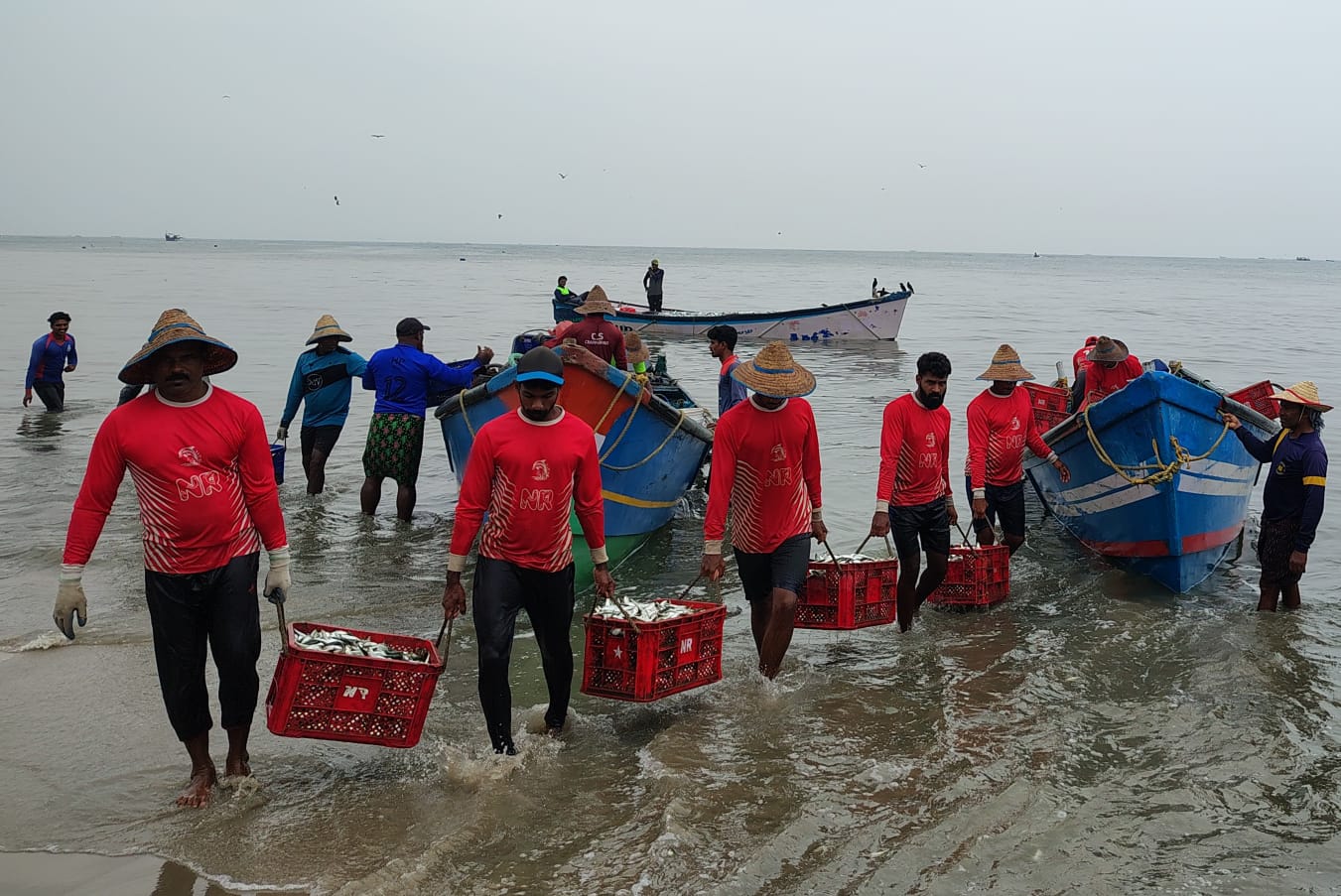
Chennai, Sep 10: From multi-purpose apps to digitally supported value chain revamp, marine experts have proposed a range of innovative solutions to boost India’s marine fisheries sector in view of dwindling catches and decreased fisher income.
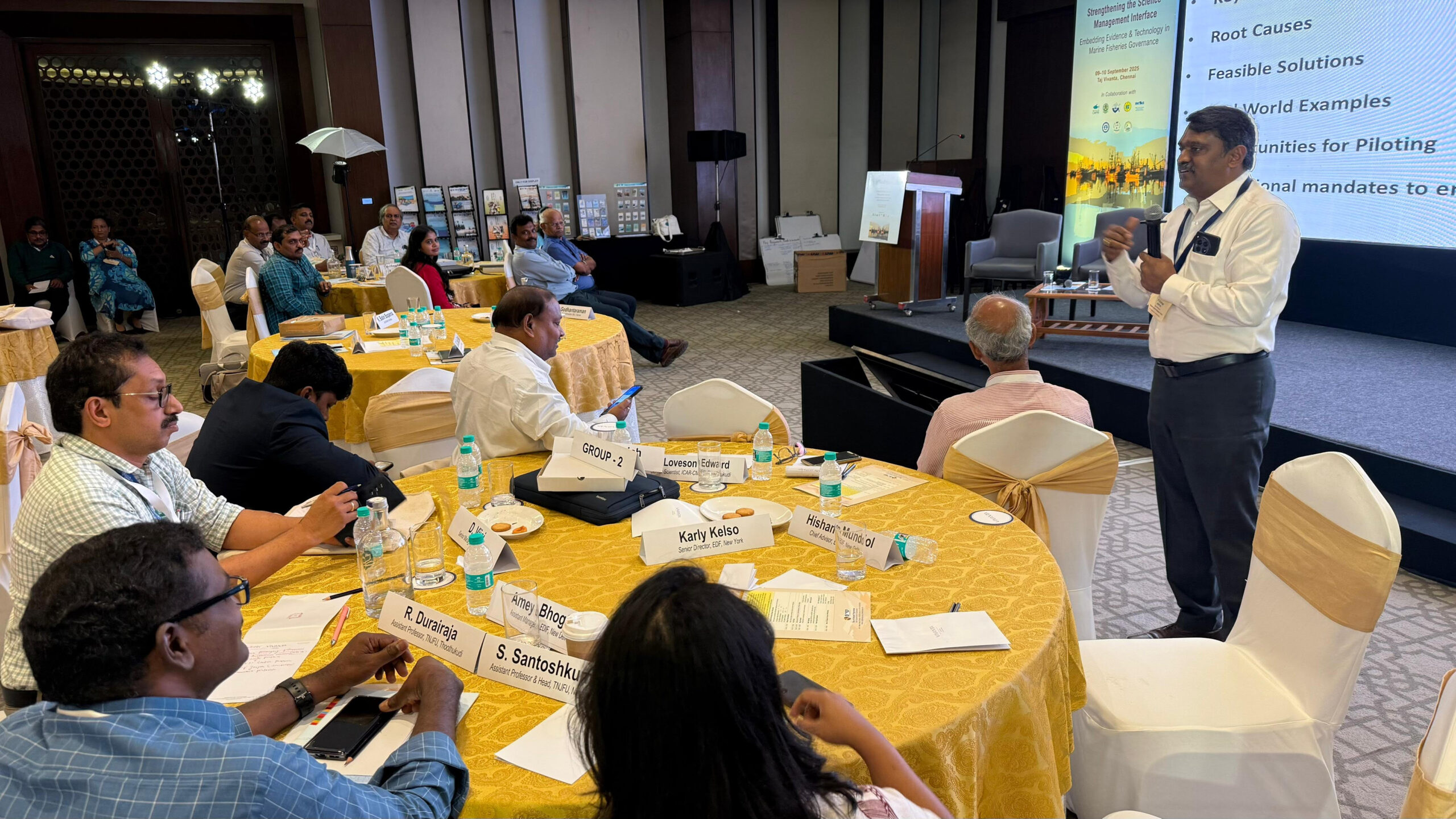
One such solution, the ‘shore-to-door’ model, is projected to boost fishers’ income by 25-30%. This model aims to create a more direct link between fishers and consumers, bypassing intermediaries and increasing the share of profits for those who catch the fish. The experts presented their views at a national workshop jointly organised by Bay of Bengal Programme Inter-Governmental Organisation (BOBP-IGO) and Environmental Defense Fund (EDF).
According to them, a significant portion of the marine catch—20 to 30%—is wasted after harvest due to inefficiencies in the supply chain. As a result, fishers earn only a part of what they catch.
The workshop discussed a concept called FRESH (Fair Price, Fresh Seafood, Digital First) to tackle these inefficiencies. This model leverages ONDC-linked platforms, IoT-enabled cold chains, and QR-based traceability, ensuring seafood reaches households within 24 hours of landing. “This also ensures consumers get fresher, safer and traceable seafood at fair prices”, said B Bharath Kumar, CEO of ZeroCode.
Climate Change
Highlighting the adverse impacts of climate change on marine fisheries, Dr Jacob Eurich, Scientist with EDF stressed the need to focus on resilient fisheries. “Climate change is causing species to shift their habitats and changing productivity rates. This will, in turn, affect the mix and abundance of species, ultimately impacting the potential for fishery catches”, he said.
“Developing fisheries for species that are less sensitive to climate change can help communities prepare for these shifts and become more resilient to their effects. Understanding the health of fish stocks and the broader ecosystem is crucial, especially in data-limited fisheries. Better data can help us adapt more effectively”, he added.
The workshop also emphasised the need for collaborative efforts to curb juvenile fishing that causes economic loss to the marine fisheries sector.