“Scientific data is not just for conservation—it is a passport that secures our access to international markets”, says India’s Fisheries Secretary
The Indian Ocean is home to some of the world’s most prized fish—tunas, sharks, and other migratory species that travel thousands of miles across borders. At a time when international seafood trade is increasingly shaped by sustainability standards and market scrutiny, India is stepping up its efforts to build a stronger fisheries data management system.
This week, India sent out a strong message to the global community: science-backed credible data is the country’s best defense against unfair trade barriers and allegations.
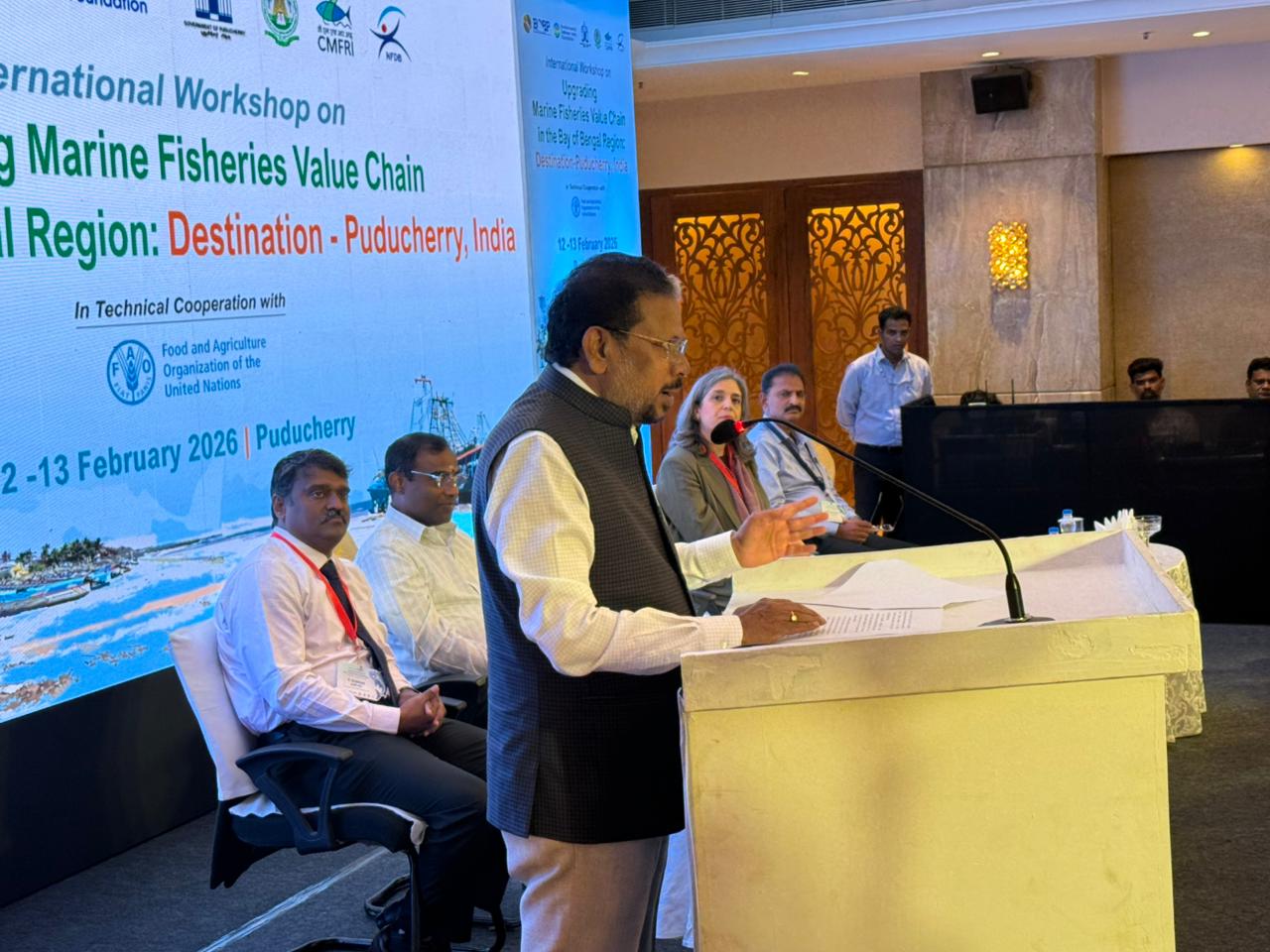
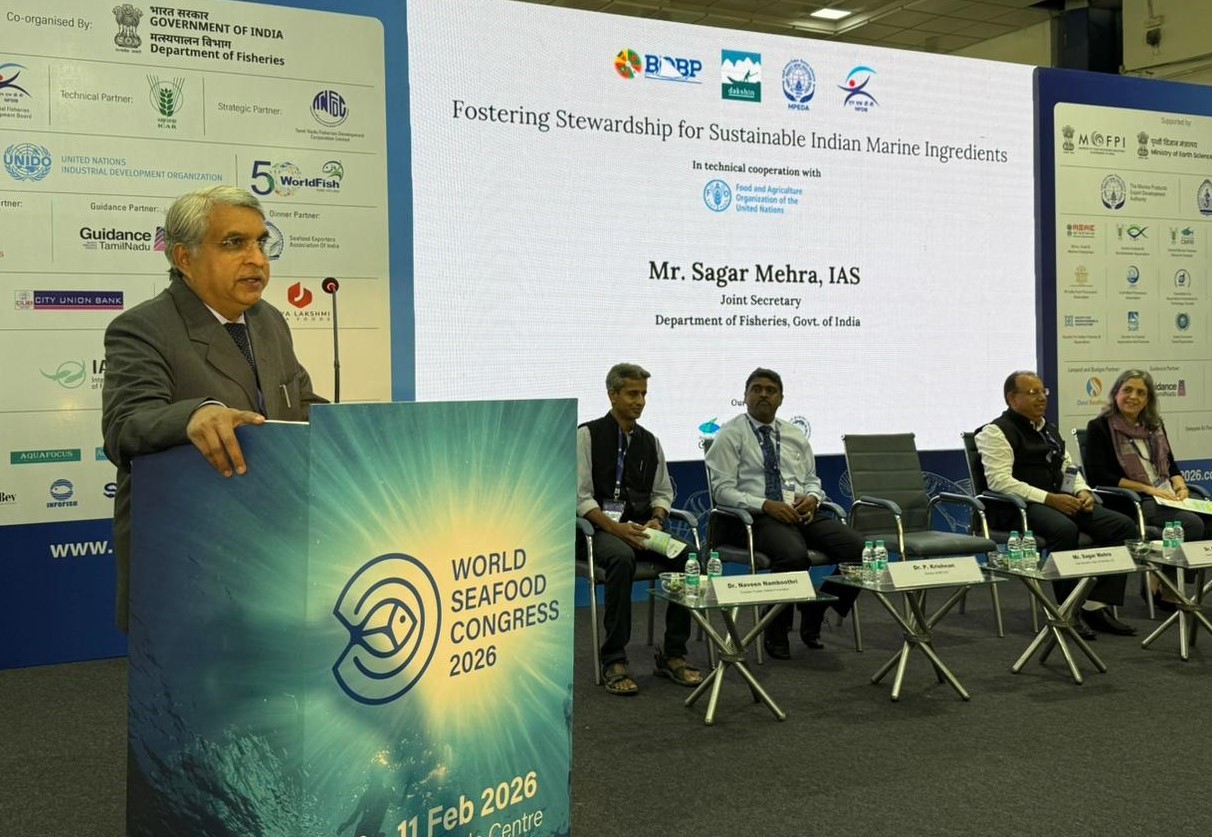
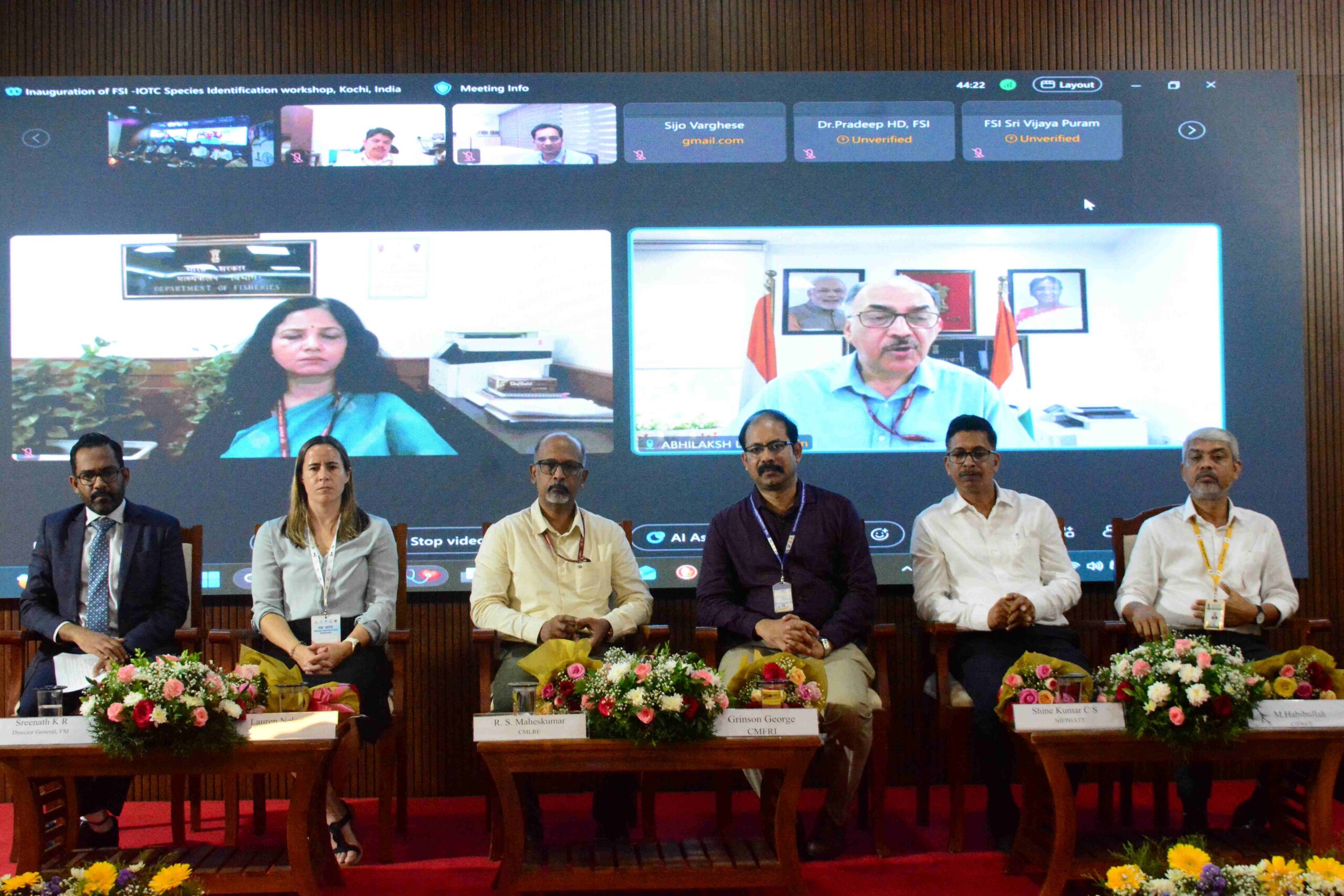
“In today’s global seafood market, scientific data is not just for conservation—it is a passport that secures our access to international markets,” said Dr. Abhilaksh Likhi, Secretary, Department of Fisheries, while inaugurating a five-day international workshop on species identification in Kochi.
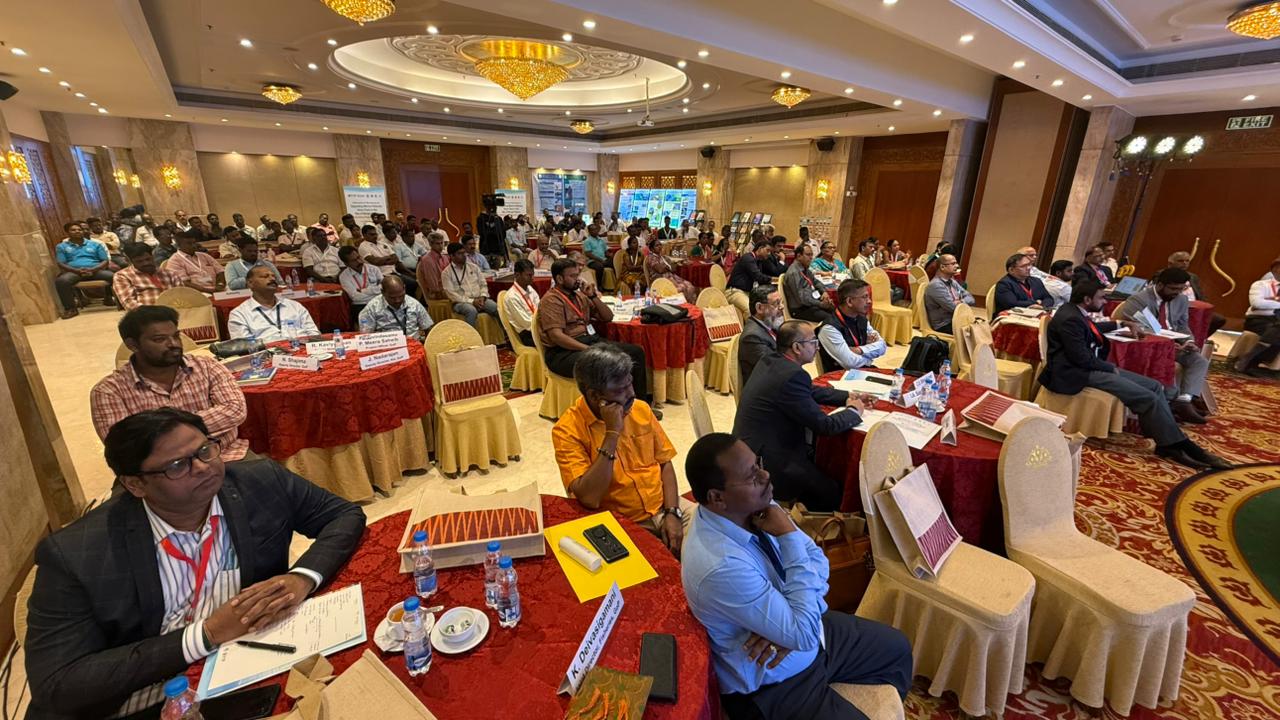
The workshop, jointly hosted by the Indian Ocean Tuna Commission (IOTC) and the Fishery Survey of India (FSI), brought together experts and officials from 12 countries including Japan, France, Thailand, Indonesia, Malaysia and South Africa, along with representatives from India’s coastal states.
Data, Monitoring and India’s Leap Forward
From Europe’s import rules to America’s sustainability demands, global seafood markets are increasingly tough on exporters. One missing dataset can trigger suspicion, and one allegation can jeopardize millions in exports.
That is why India has begun modernising its fisheries monitoring system. Under the Pradhan Mantri Matsya Sampada Yojana (PMMSY), nearly 36,000 fishing vessels are now equipped with electronic transponders, enabling real-time tracking of tuna and tuna-like species. The move, in line with IOTC guidelines, not only strengthens stock assessment but also ensures India’s fishers are not locked out of lucrative markets.
Yet, even with better data, India faces another hurdle: the way global fishing quotas are decided.
Dr. Grinson George, Director of the ICAR-Central Marine Fisheries Research Institute (CMFRI), flagged concerns over the existing quota allocation system for tuna fishing. He argued that the system tilts heavily in favour of developed countries, leaving emerging fishing nations like India at a disadvantage.
“India deserves a fairer share. Our tuna potential is huge, but quotas don’t reflect this reality,” Dr. George said. He also pointed out the urgent need for modern cold chain facilities to preserve tuna quality, reduce wastage, and enhance India’s competitiveness in the export market.
A Shared Responsibility
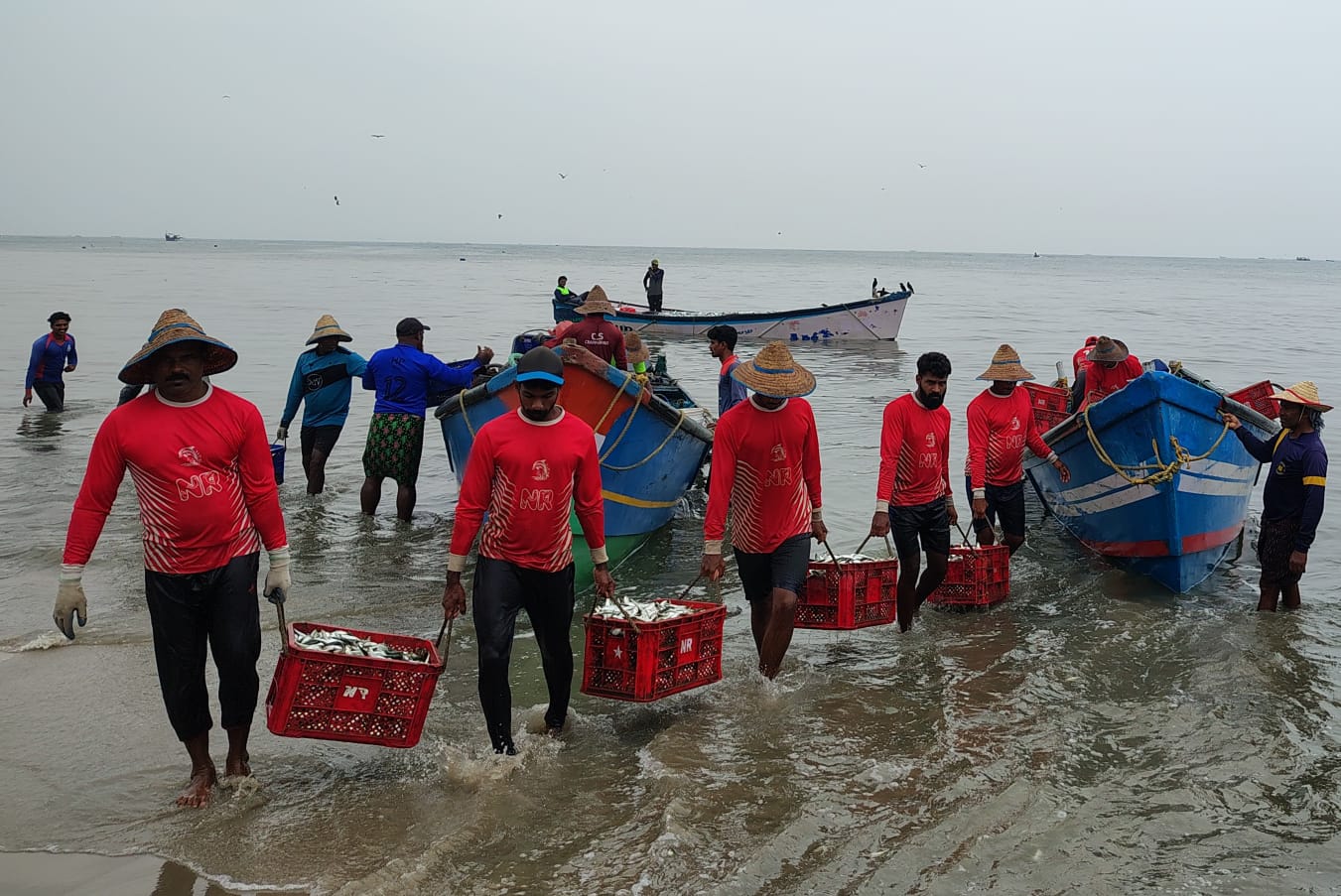
For India, the issue isn’t just trade—it’s also about livelihoods. Millions of small-scale fishers depend on tuna and allied species for their daily income. Ensuring sustainability while protecting their future is a delicate balancing act.
That’s why international cooperation matters. As Lauren Nelson of the IOTC Secretariat put it: “This workshop is about building reliable systems for species identification and stock assessment. It’s the foundation for sustainable management across the region.”
The Road Ahead
India’s message is clear: it will invest in science, embrace monitoring technologies, and demand a fairer deal on the world stage. In an industry where numbers can decide market access, credible data has become both shield and sword.
For the fishers of Kerala, Tamil Nadu, and beyond, these efforts could mean not just protecting the oceans, but also securing their place in a competitive global market.
As Dr. Likhi summed up, the long-term sustainability of India’s fisheries depends on one principle: trust in science to protect both nature and people.