Symposium calls for international cooperation to treat ocean data as a shared global resource and build a stronger scientific foundation for climate resilience and sustainable fisheries
Kochi: Calling for a more coordinated and inclusive approach to ocean governance, the Kochi Declaration, adopted at the International TREVOR-SAFARI Symposium 2026, has urged the global scientific community and governments to work towards an integrated multinational ocean observation system and ensure free, open and timely access to marine data.
Emerging from three days of international scientific deliberations at ICAR-Central Marine Fisheries Research Institute (CMFRI), Kochi, the declaration seeks to address a fundamental challenge in ocean governance: marine ecosystems are interconnected, but ocean observations and scientific data often remain fragmented across countries, institutions and research programmes.
The declaration proposes a coordinated international framework for ocean monitoring, recognising that understanding changes in marine ecosystems, climate patterns and ocean productivity requires observations that extend beyond national boundaries. A multinational system would strengthen the collective ability of countries to monitor ocean changes, identify emerging threats and generate scientific information for informed policy decisions.
A central demand of the declaration is to treat ocean data as a shared global resource, rather than information confined to individual research institutions or national programmes. It calls for free, open and timely access to ocean observations, alongside proper preservation and curation of historical datasets. Maintaining long-term ocean records is particularly important for identifying changes in sea temperatures, marine productivity, ecosystem health and the frequency of extreme ocean events.
The emphasis on open data reflects the growing need to connect satellite observations, oceanographic measurements and scientific research across geographical boundaries. Better access to reliable and long-term datasets would enable researchers to compare changes across ocean regions, improve climate assessments and provide stronger scientific inputs for fisheries management, marine conservation and coastal planning.
A milestone for collaborative ocean governance
The significance of the Kochi Declaration lies in its attempt to move ocean governance beyond fragmented scientific observations towards a shared, internationally coordinated knowledge system. Oceans do not recognise political boundaries, and changes in one marine region can have implications for ecosystems, fisheries and coastal communities elsewhere. Addressing these interconnected challenges requires countries to share observations, scientific expertise and research infrastructure.
By proposing multinational monitoring and open access to marine data, the declaration places scientific cooperation at the centre of global ocean governance. It also highlights the importance of preserving historical ocean information, ensuring that future assessments of climate change and marine ecosystem shifts are supported by continuous, comparable scientific records.
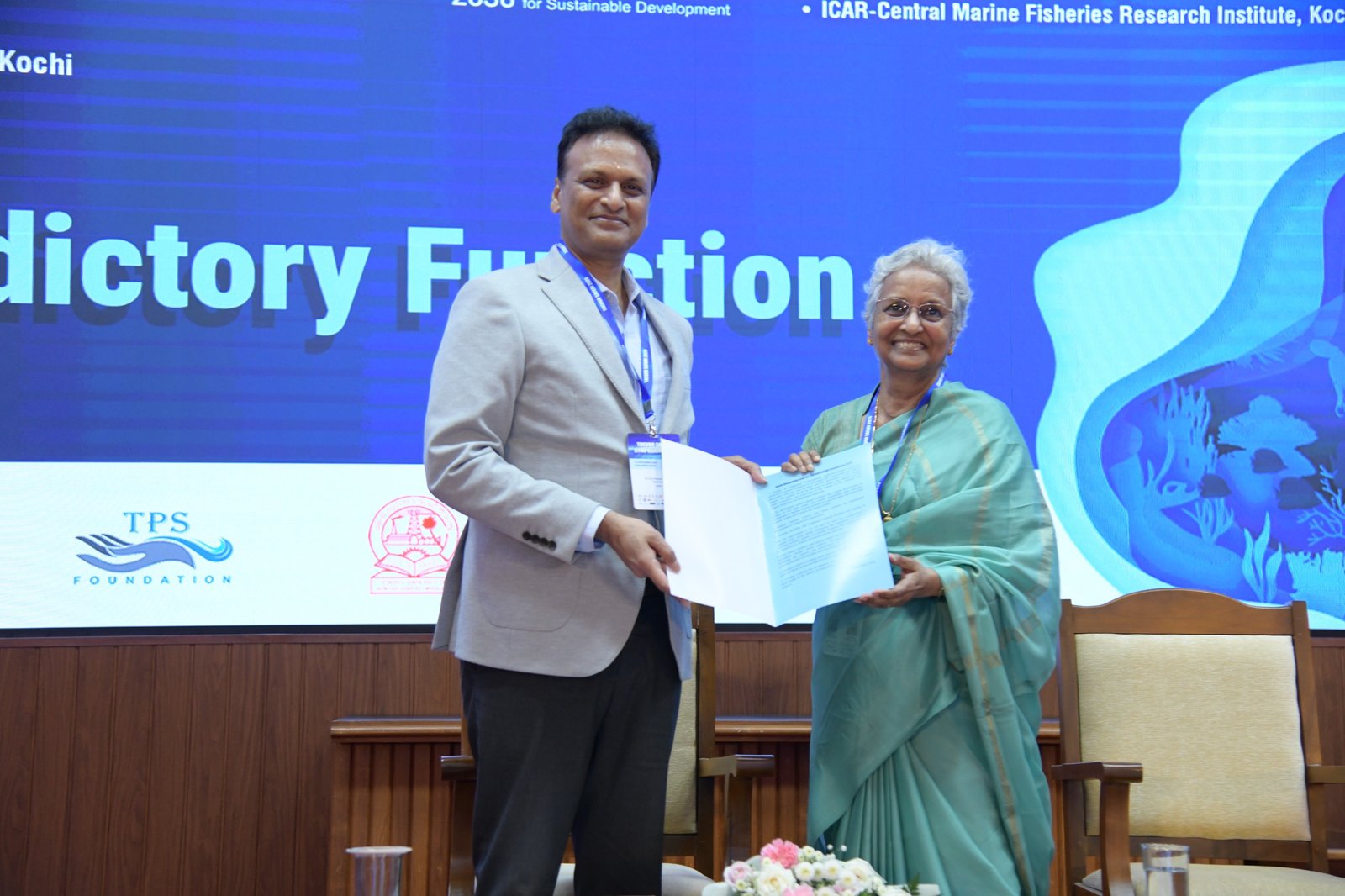
The declaration was handed over to Dr T. Srinivasa Kumar, Secretary, Ministry of Earth Sciences, Government of India, for consideration and policy-level action.
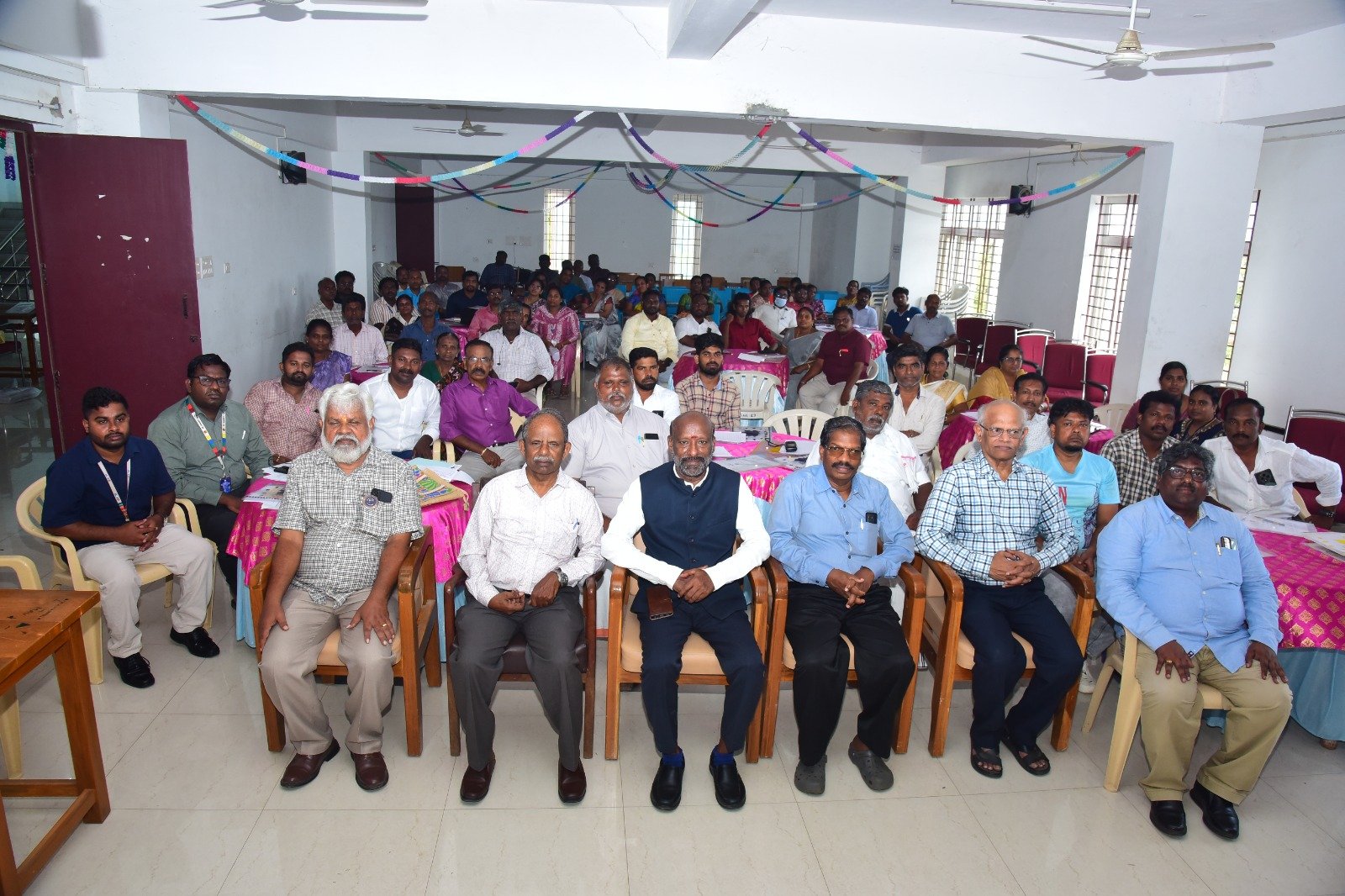
The three-day symposium, jointly organised by the Trevor Platt Science Foundation, Cochin University of Science and Technology (CUSAT), ICAR-CMFRI and the Marine Biological Association of India, brought together more than 300 delegates from 30 countries and featured around 250 scientific presentations.