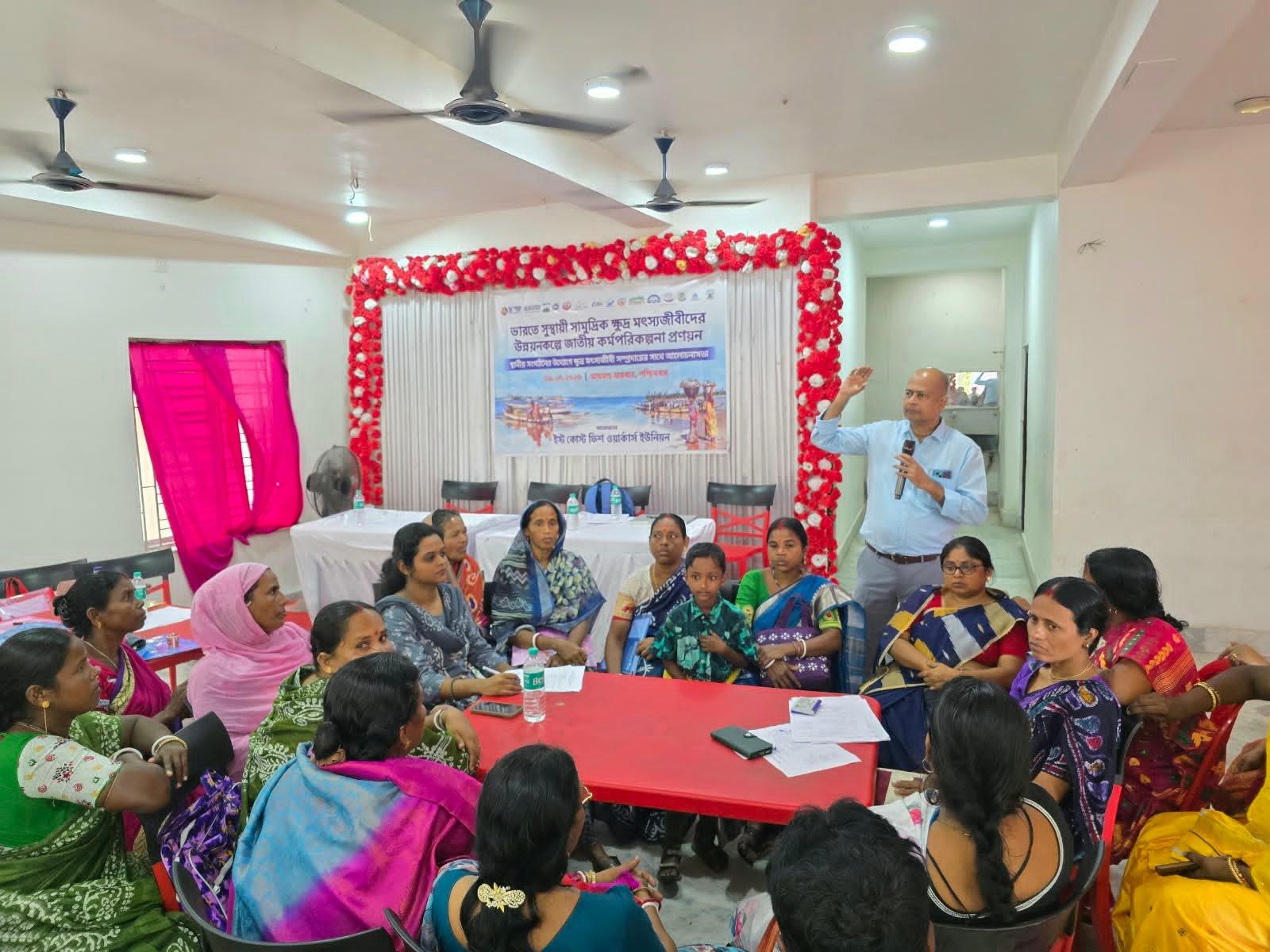
Community consultations for India’s National Plan of Action on Small-Scale Fisheries call for women’s inclusion, easier access to welfare schemes and protection from coastal risks
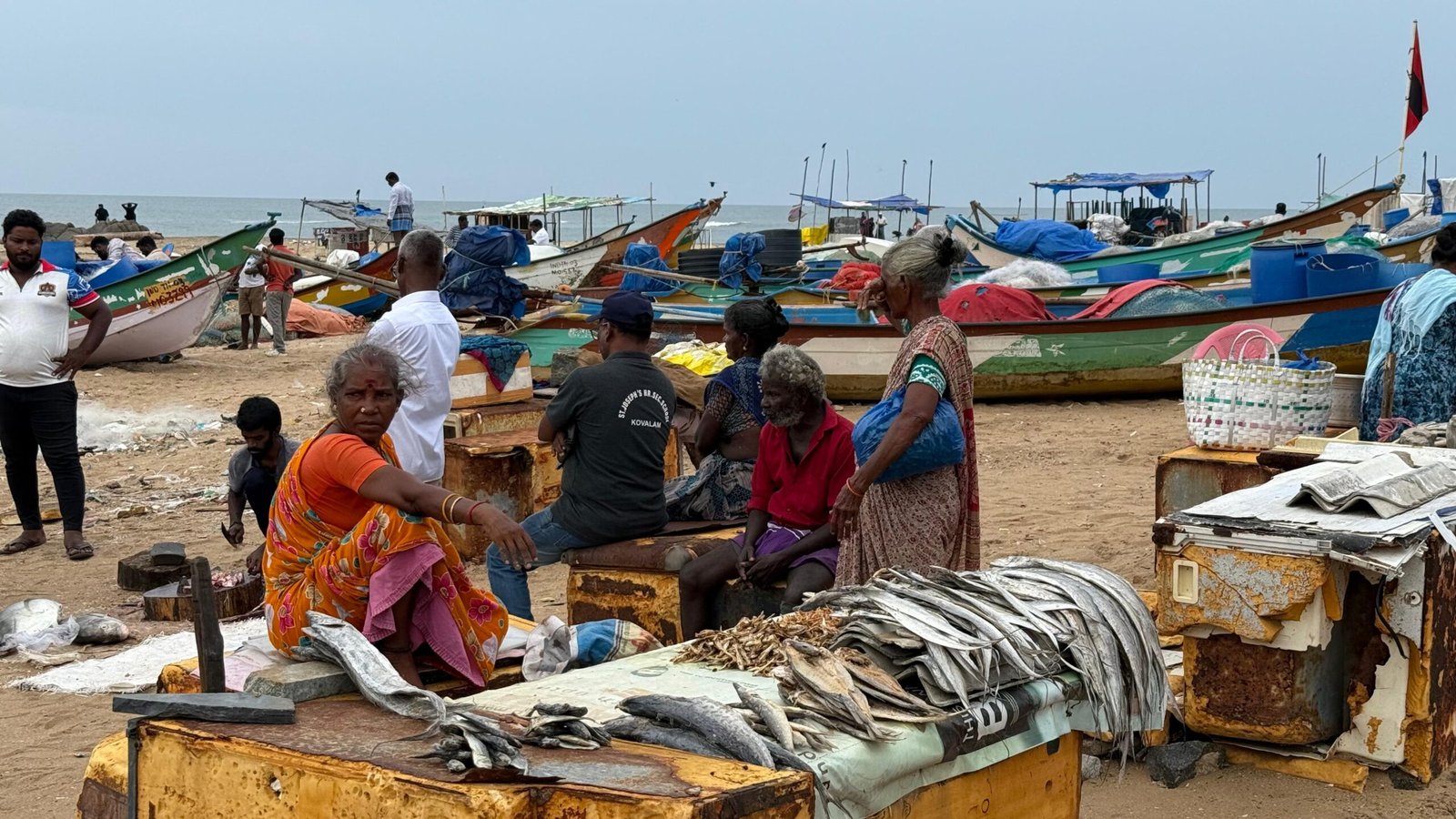
Protection of traditional fishing rights, climate-risk insurance, stronger social security and greater participation in coastal development decisions emerged as key demands from small-scale fishers in West Bengal during consultations for India’s National Plan of Action for Small-Scale Fisheries (Marine NPOA-SSF).
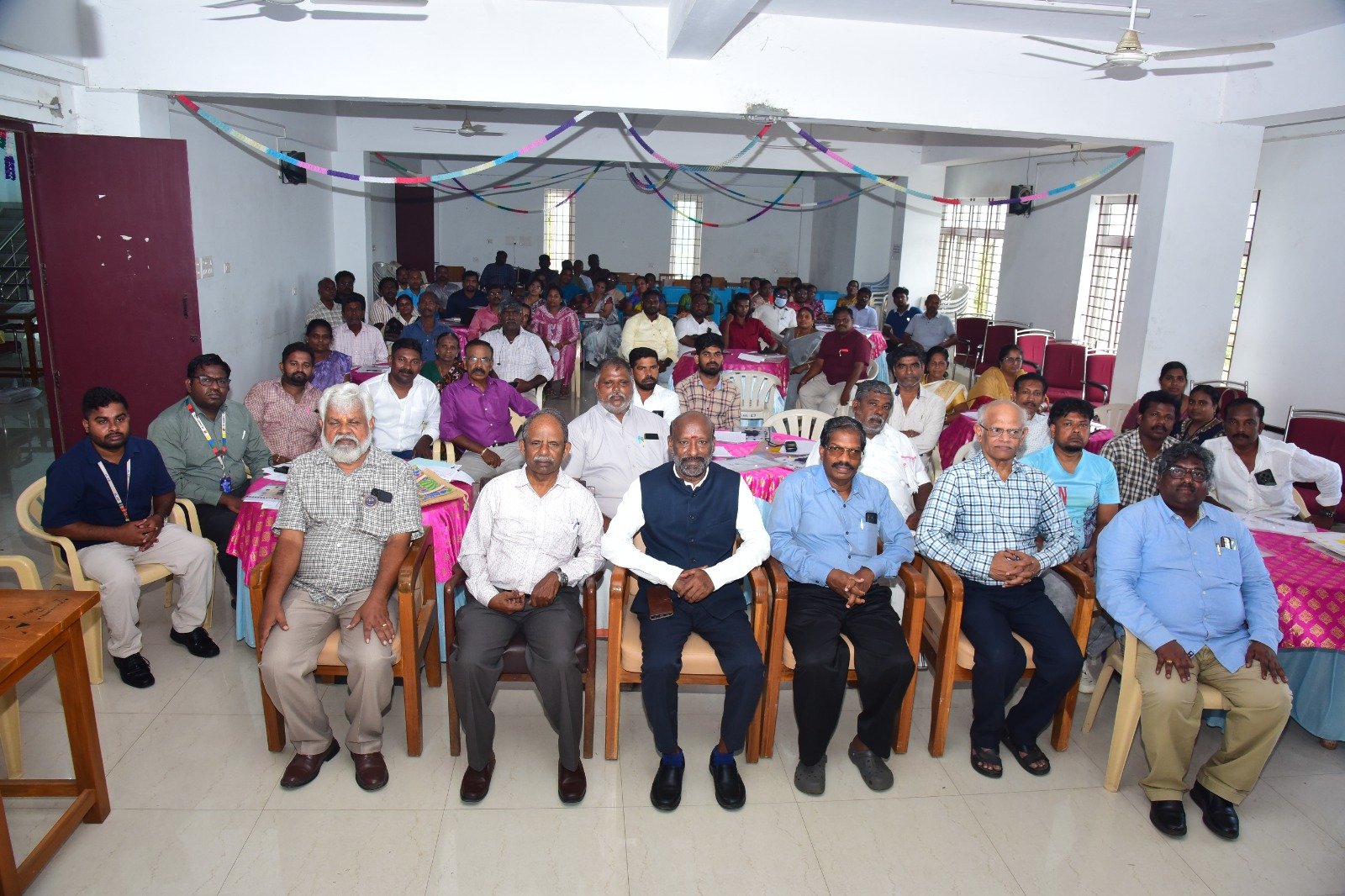
At Diamond Harbour, 70 delegates representing diverse small-scale fishing occupations across South 24 Parganas and other coastal and estuarine communities highlighted challenges related to fishing rights, welfare access, disaster preparedness and women’s participation in fisheries policy and coastal governance.
Union Fisheries Department is spearheading the community consultation process across the coastal state and UTs, while the Bay of Bengal Programme Inter-Governmental Organisation (BOBP-IGO) acts as the secretariat and facilitator.
Organised by the East Coast Fish Workers Union with support from the BOBP-IGO, the consultation brought grassroots concerns into the national policy process.
Delegates called for stronger protection of customary fishing rights and traditional tenure, including the effective implementation of Free, Prior and Informed Consent (FPIC) in coastal development initiatives affecting fishing communities.
Climate risks, insurance and welfare access emerge as priorities
With extreme weather increasingly threatening fishing livelihoods, participants called for tailored parametric insurance products to cover weather-related shocks, better medical insurance and stronger social safety nets. They also sought easier access to small-scale fisheries (SSF) identity cards to secure formal recognition and welfare entitlements, along with stronger Integrated Child Development Services (ICDS) support for fishing communities.
Strengthening village-level disaster management committees, with effective participation of women in preparedness and response, was another key recommendation.
Women fish workers participated actively in the consultation, bringing post-harvest challenges and the economic concerns of women engaged in fisheries into discussions often dominated by fishing operations and access to marine resources. Delegates stressed inclusive decision-making, social protection and capacity-building to help fishers understand their rights, access government schemes and engage effectively with public institutions.
West Bengal consultations feed into national plan
The Diamond Harbour meeting was the third in a series of consultations across West Bengal. The process began on October 6 at Kakdwip Fishing Harbour, covering the Sundarbans, Kakdwip, Namkhana and Sagar areas. A second consultation was held on October 8 at Kanthi–Dadan Patrabar Fish Landing Centre, covering East Midnapore. The October 9 meeting at Diamond Harbour covered South 24 Parganas, with participation from other relevant coastal and estuarine fishing groups.
The recommendations will feed into the national process to develop India’s NPOA-SSF and support the implementation of the Food and Agriculture Organization’s Voluntary Guidelines for Securing Sustainable Small-Scale Fisheries. The National Task Force constituted for the exercise is scheduled to incorporate consultation findings into the draft plan in early November. The draft is scheduled for public consultation on November 21, 2026, followed by review, finalisation and notification.