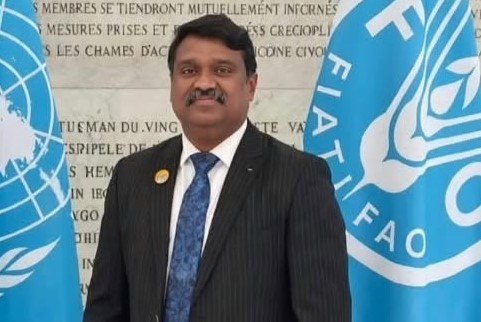
Dr P. Krishnan, Director of the Bay of Bengal Programme Inter-Governmental Organisation (BOBP-IGO), was elected Chair of the Regional Fishery Body Secretariats’ Network (RSN) for 2026-28 on the sidelines of the 37th Session of FAO’s Committee on Fisheries (COFI) in Rome.
An Indian fisheries scientist has been elected to head a 50-member global network of regional fishery bodies at the UN’s Food and Agriculture Organisation (FAO), even as India emerged as the first of four South Asian nations to complete the groundwork for a national plan to protect its small-scale fishers.
Dr P. Krishnan, Director of the Bay of Bengal Programme Inter-Governmental Organisation (BOBP-IGO), was elected Chair of the Regional Fishery Body Secretariats’ Network (RSN) for 2026-28 on the sidelines of the 37th Session of FAO’s Committee on Fisheries (COFI) in Rome. The RSN groups the secretariats of more than 50 regional fishery bodies worldwide and functions as FAO’s principal channel for coordinating global fisheries governance — from small-scale fisheries and climate adaptation to the newly adopted High Seas Biodiversity Agreement (BBNJ).
India ahead in the region on small-scale fishers’ plan
Speaking at the World Small-Scale Fisheries Summit 2026 at FAO headquarters, Dr. Krishnan highlighted the Bay of Bengal initiative as a potential model for other regions. He said BOBP-IGO was supporting the four countries, including India in developing their national plans through a coordinated regional approach. The four countries were mandated to prepare their NPOA-SSF plans through a coordinated regional process, backed by FAO.
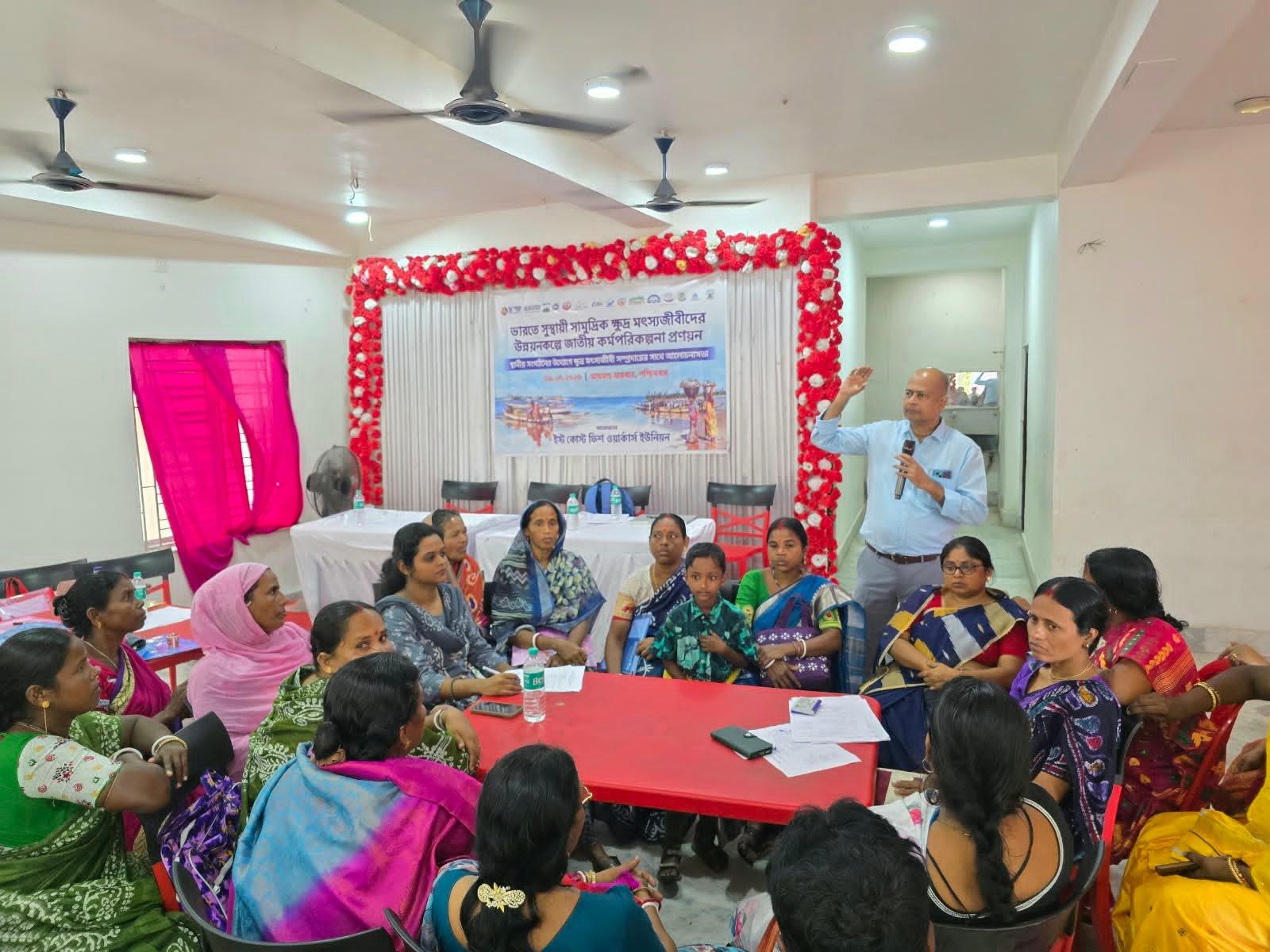
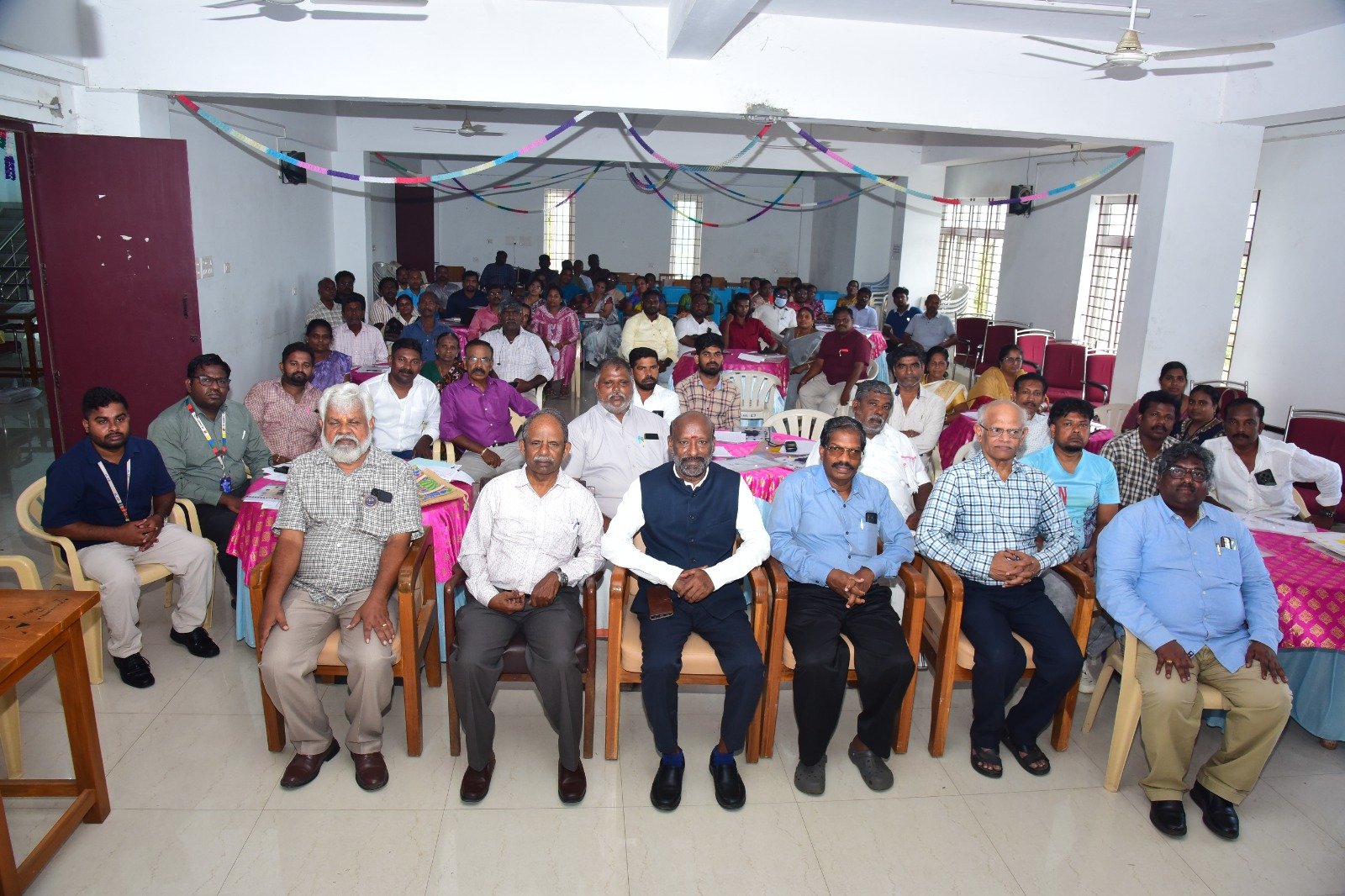
According to BOBP-IGO, each country’s task force has compiled a legal review of national fisheries governance against FAO’s guidelines and a country-level profile of the small-scale sector. The regional target is to have draft NPOAs ready and opened for public consultation by December 2026, with formal launches expected in 2027.
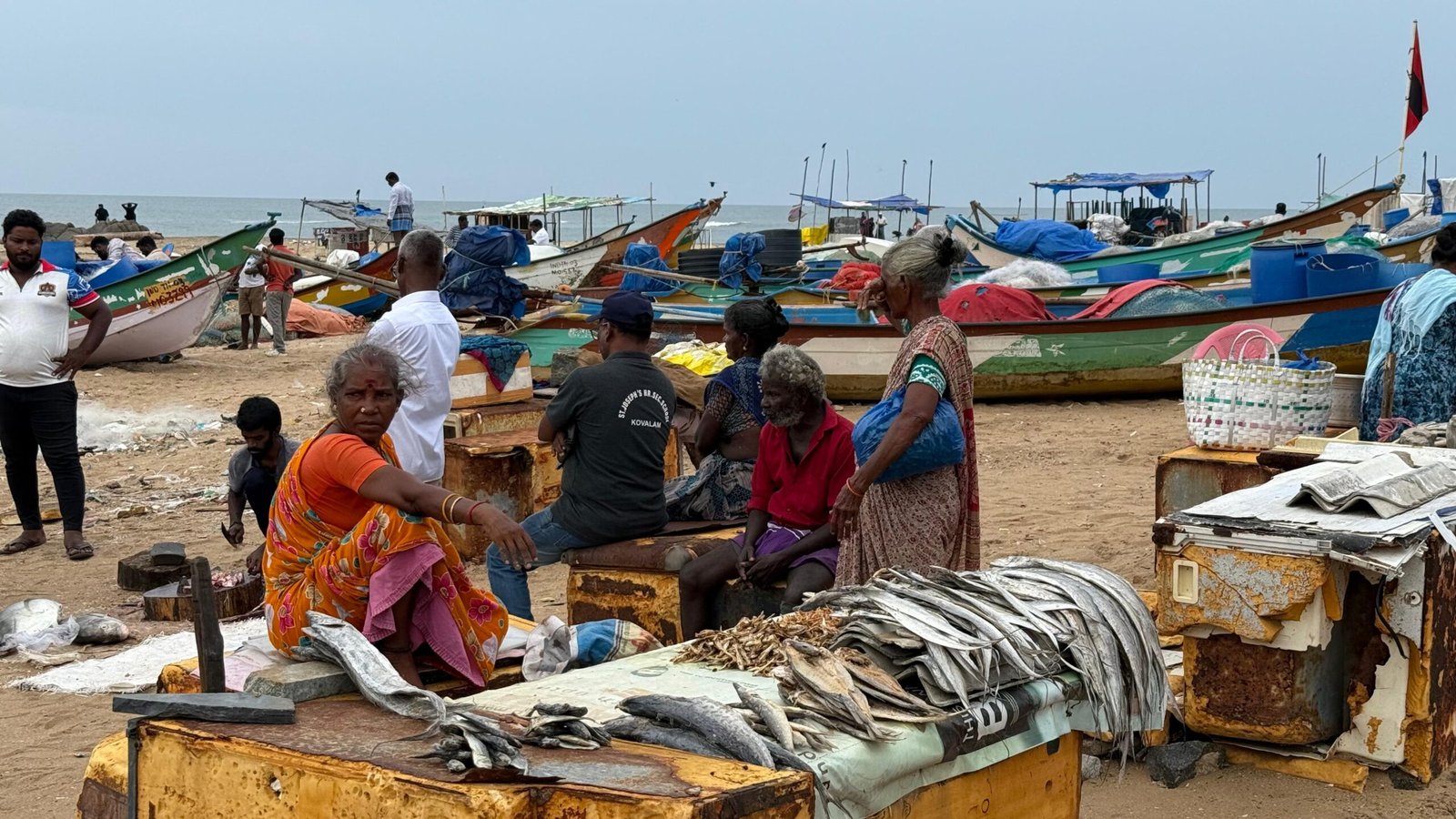
“Small-scale and traditional fishers account for the overwhelming majority of India’s fishing workforce and are central to the country’s food security and coastal livelihoods. A national plan of action is intended to give this largely informal, dispersed sector a formal policy framework — covering issues from access rights and social protection to climate resilience — for the first time at this scale.
As RSN Chair, Dr Krishnan is expected to work with FAO and regional fishery bodies over 2026-28 on priorities that include small-scale fisheries, climate change adaptation, implementation of the BBNJ Agreement, and cross-sectoral cooperation in ocean governance.
The SSF Summit 2026 brought together small-scale fisher organisations, government representatives and researchers to feed into COFI’s agenda on small-scale fisheries and climate adaptation.