Large-Scale Community Consultations Underway to Shape India’s National Action Plan on Small-Scale Fisheries
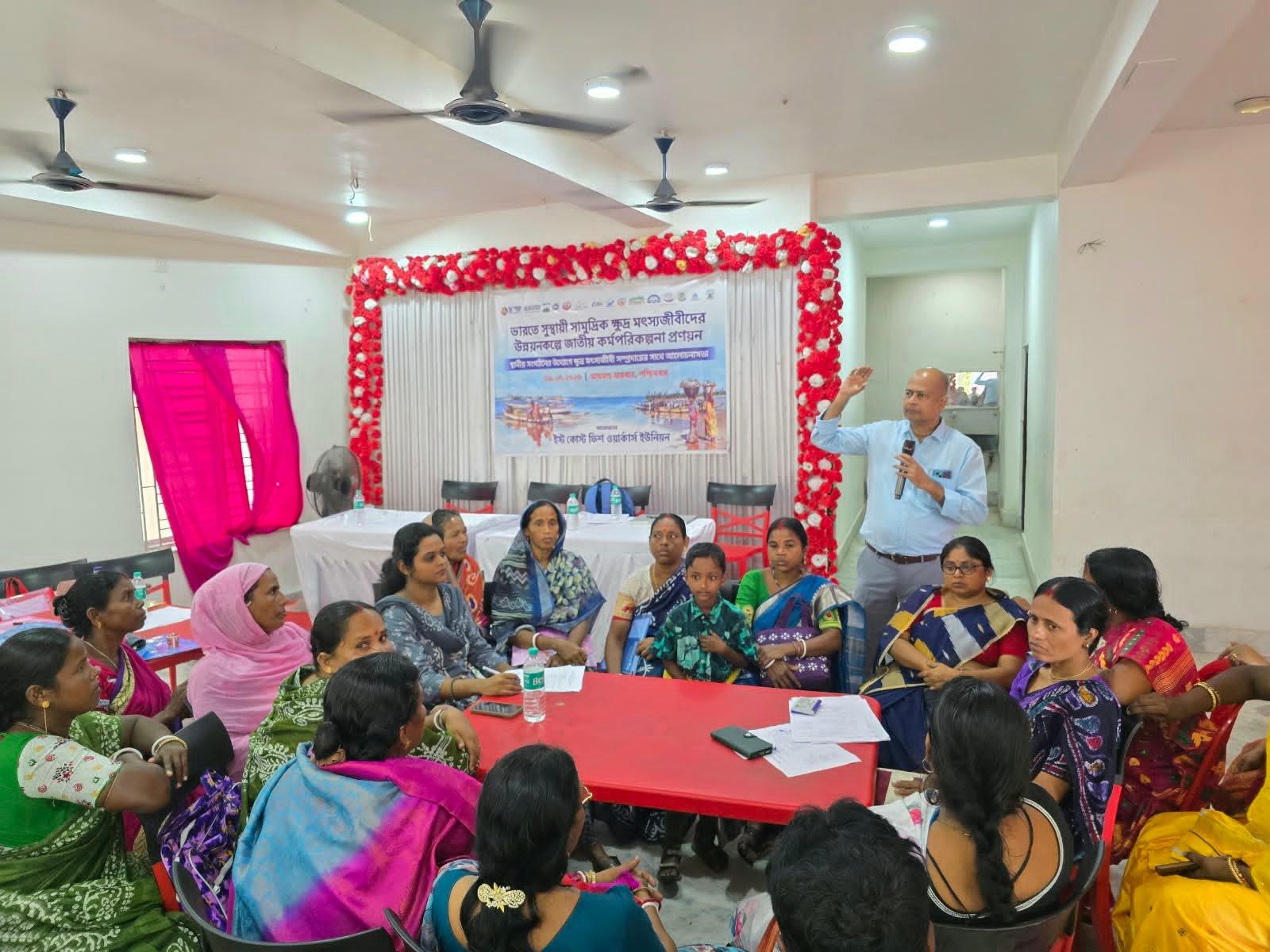
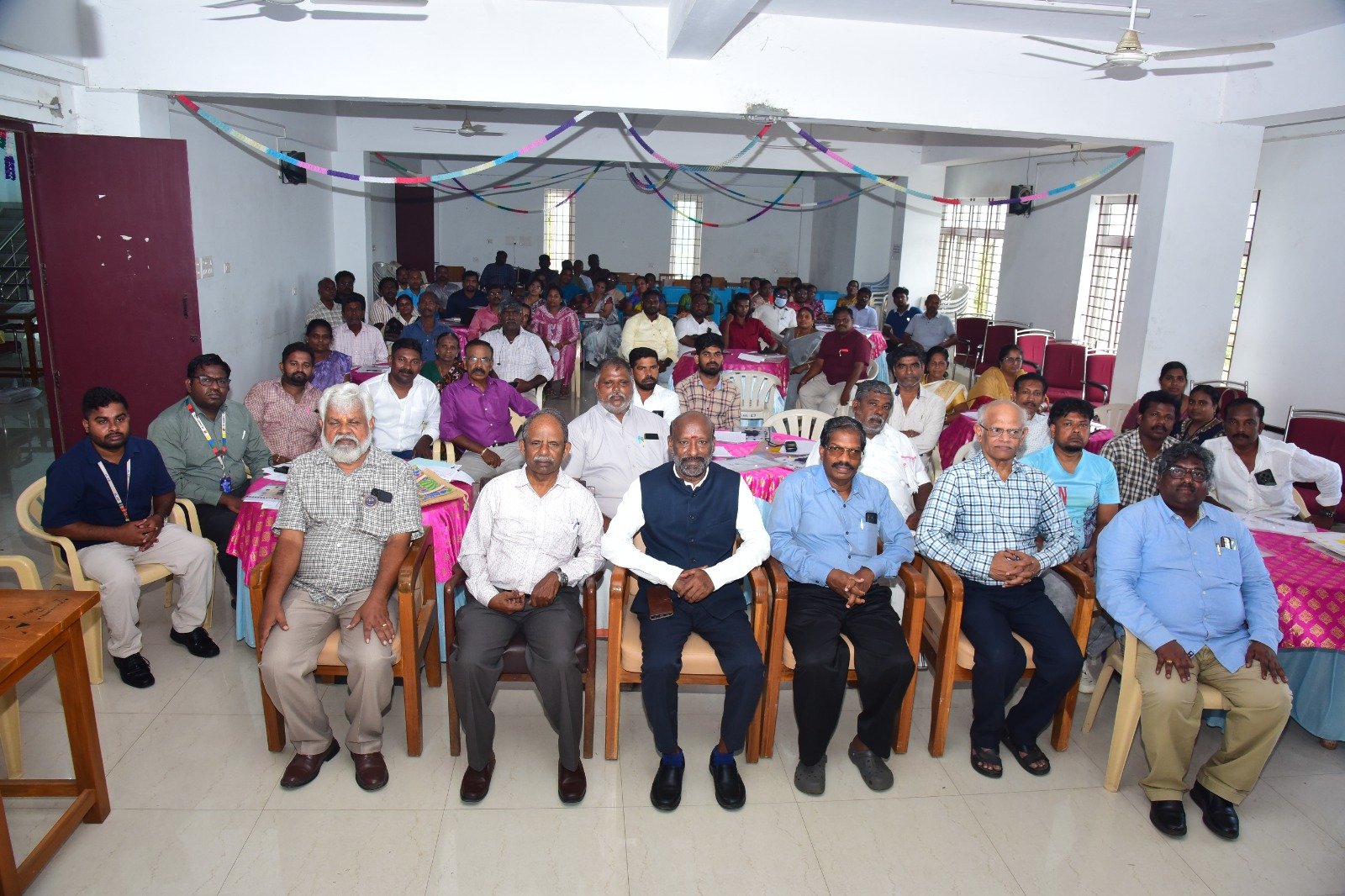
Chennai: Climate risks, safety at sea, social protection and sustainable access to marine resources emerged as key concerns during Tamil Nadu’s community consultations for framing India’s National Plan of Action for Securing Sustainable Small-Scale Fisheries (NPOA-SSF). A stakeholder consultation was held in Thoothukudi, bringing together fishers and other stakeholders from Kanyakumari, Tirunelveli, Thoothukudi and Ramanathapuram districts to share their concerns and priorities for the proposed national framework.
The discussions highlighted the challenges faced by traditional fishing communities amid climate change, increasingly unpredictable weather conditions and concerns over safety at sea. Sustainable access to fishing resources and stronger social security measures for fishing communities were also among the key issues raised. The consultation was formally inaugurated by Dr S A Shanmugam, Dean of Fisheries College and Research Institute, Thoothukudi.
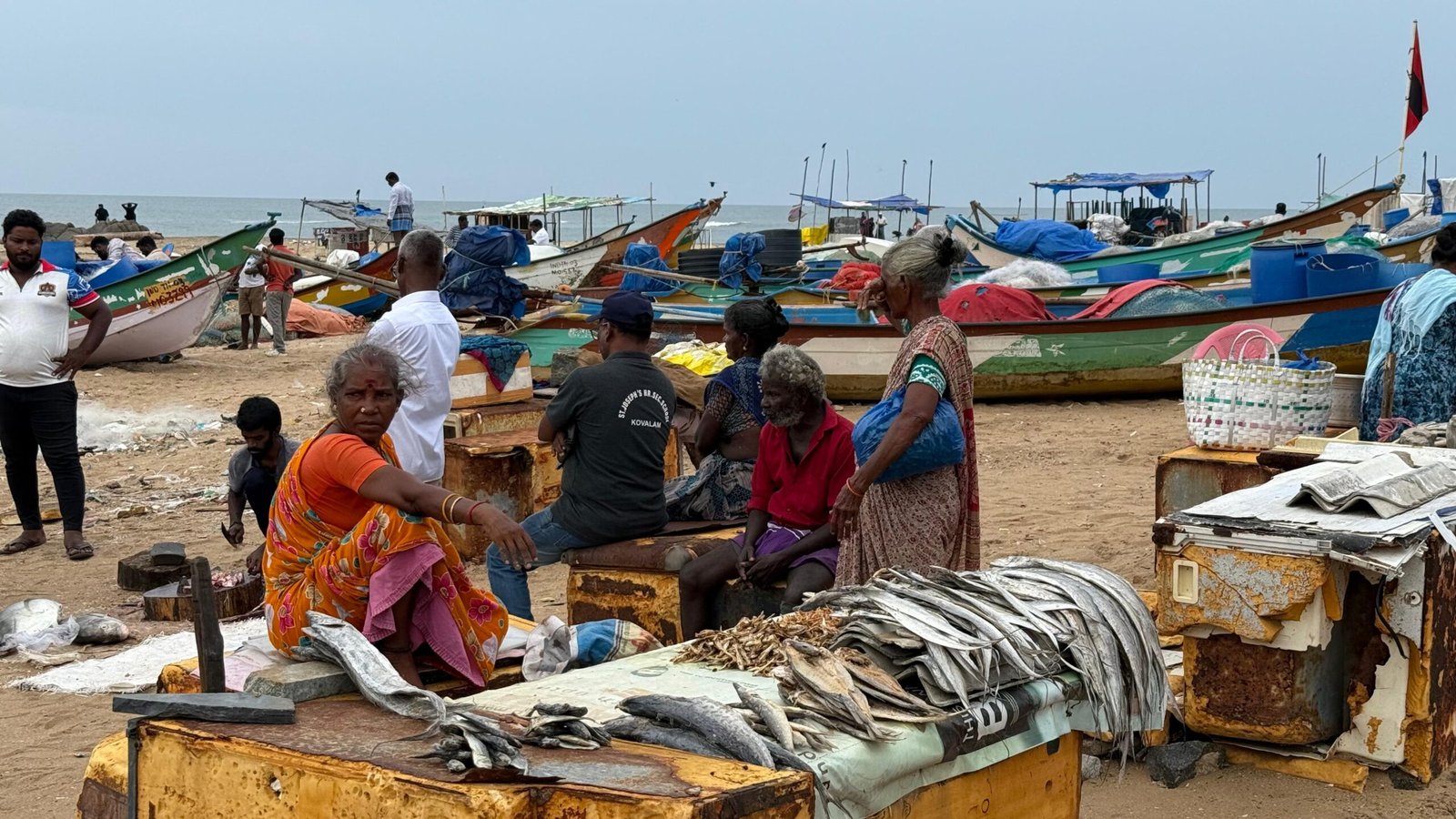
The active participation of women fishworkers brought important perspectives to the discussions, particularly on post-harvest activities, fish marketing and coastal livelihoods. The deliberations generated recommendations on protecting the traditional tenure rights of fishing communities, strengthening social security measures, promoting the participation of fishing communities in marine resource management and addressing the livelihood concerns of small-scale fishers.
The consultation provided an opportunity to bring region-specific livelihood concerns into the national planning process, with an emphasis on measures that can strengthen the resilience and long-term sustainability of small-scale fisheries.
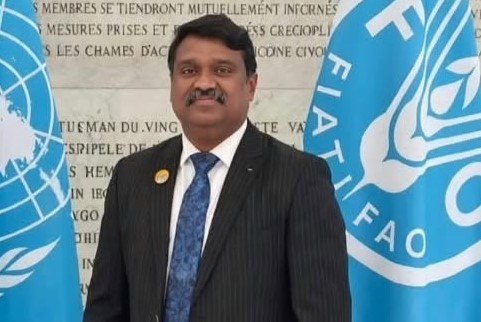
“For Tamil Nadu’s coastal communities, these issues are closely linked to livelihood security, the continuity of traditional fishing practices and the ability of fishing households to cope with environmental and economic uncertainties”, said Dr P Krishnan, Director of BOBP-IGO.
Fishers from 7 districts to meet in Chennai on October 16
A similar meeting for fisher associations and other stakeholders from Tiruvallur, Chennai, Chengalpattu, Villupuram, Cuddalore, Mayiladuthurai and Nagapattinam districts is scheduled to be held in Chennai on October 16. Together, the consultations aim to bring the perspectives of fishers and other fisheries-dependent groups into the proposed national framework, identifying practical measures to protect livelihoods and improve the sustainability and resilience of the sector.
The wider consultation framework covers a range of interconnected issues, including sustainable access to fisheries resources, tenure rights, social development, employment, decent work, value chains, post-harvest activities, trade, gender equality, disaster risk and climate change.
“The NPOA-SSF will address a broad range of issues affecting small-scale fishing communities, including access to fisheries resources, sustainable fisheries management, decent work, gender equality, climate change and disaster risk,” said Dr P. Krishnan.
The National Task Force constituted for the purpose is scheduled to incorporate the findings of the consultations into the draft plan in early November. The draft is scheduled to be released for public consultation on November 21, 2026. The process will subsequently continue through review, finalisation and notification of the plan.
The community-led consultations in Tamil Nadu are being organised by the Federation of Indian Fisher Organizations (FIFO) and Participatory Learning Action Network and Training (PLANT) Trust, in collaboration with the M.S. Swaminathan Research Foundation (MSSRF), the National Federation of Small-Scale Fish Workers (NFSF) and the National Fishworkers’ Forum (NFF), with technical support from BOBP-IGO.
The NPOA-SSF is being developed in line with the Food and Agriculture Organization of the United Nations’ (FAO) Voluntary Guidelines for Securing Sustainable Small-Scale Fisheries.