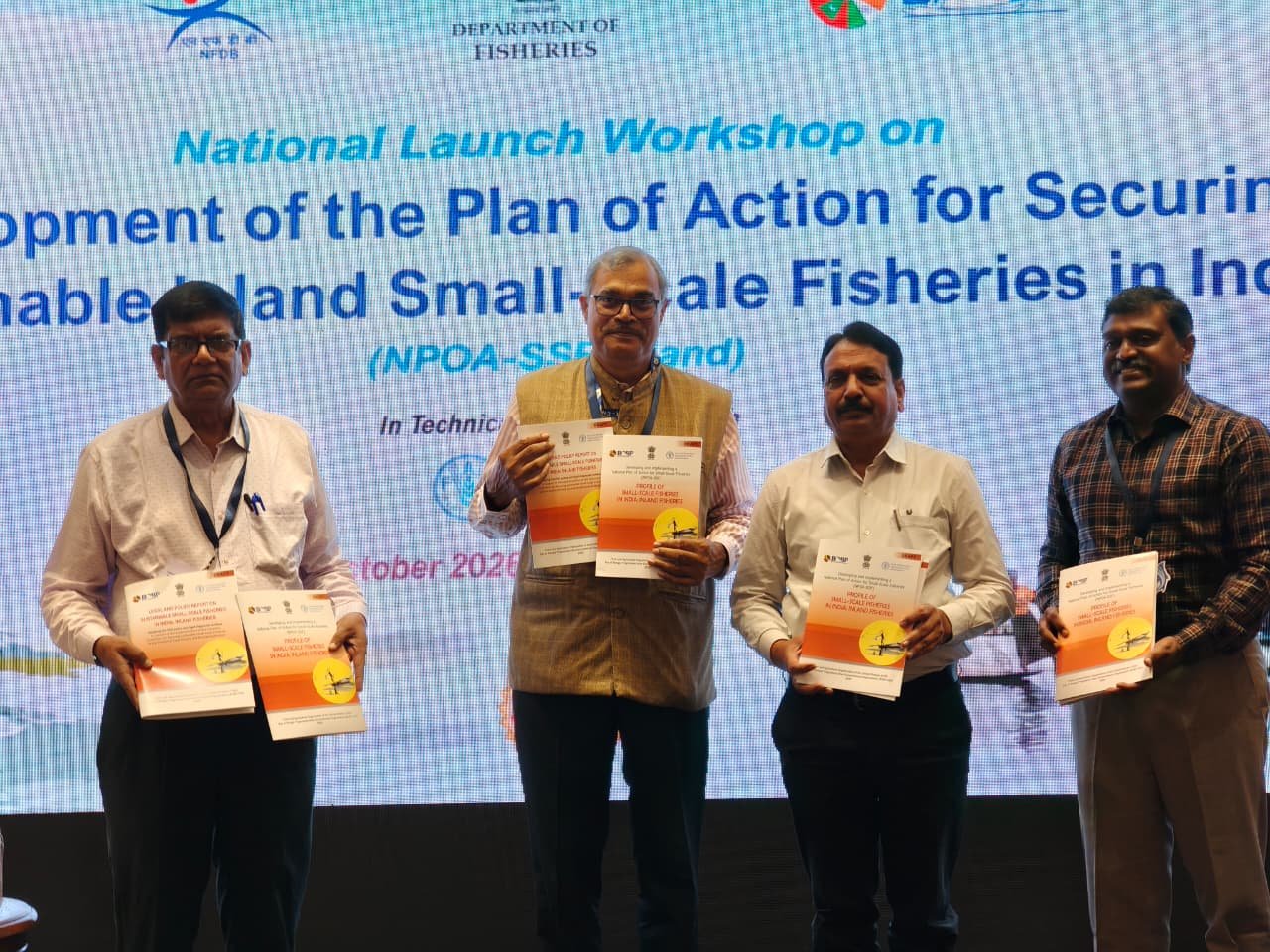
Country Profile prepared as part of building National Plan of Action on Small-Scale Inland Fisheries also identifies insecure fishing access and data gaps
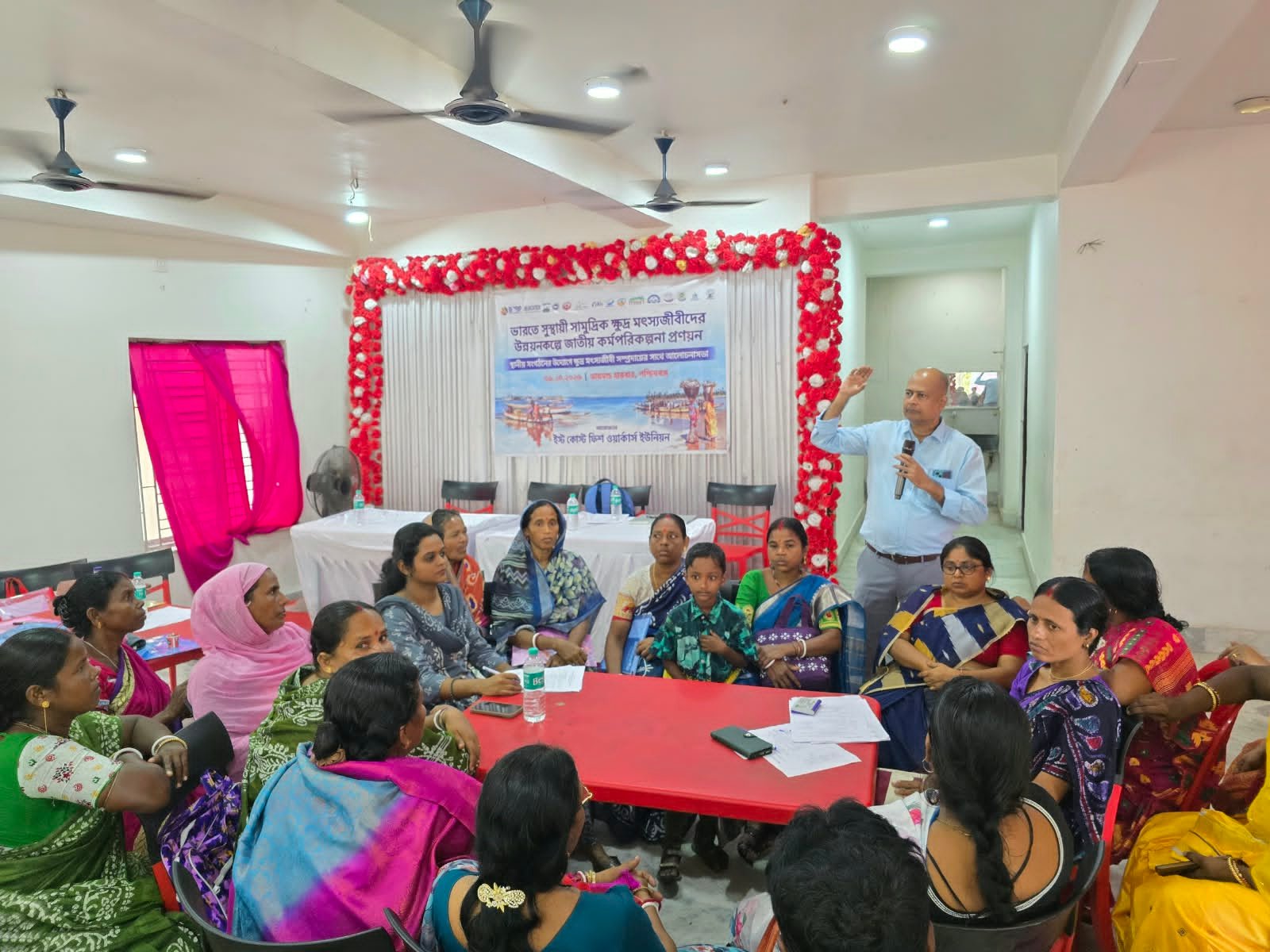
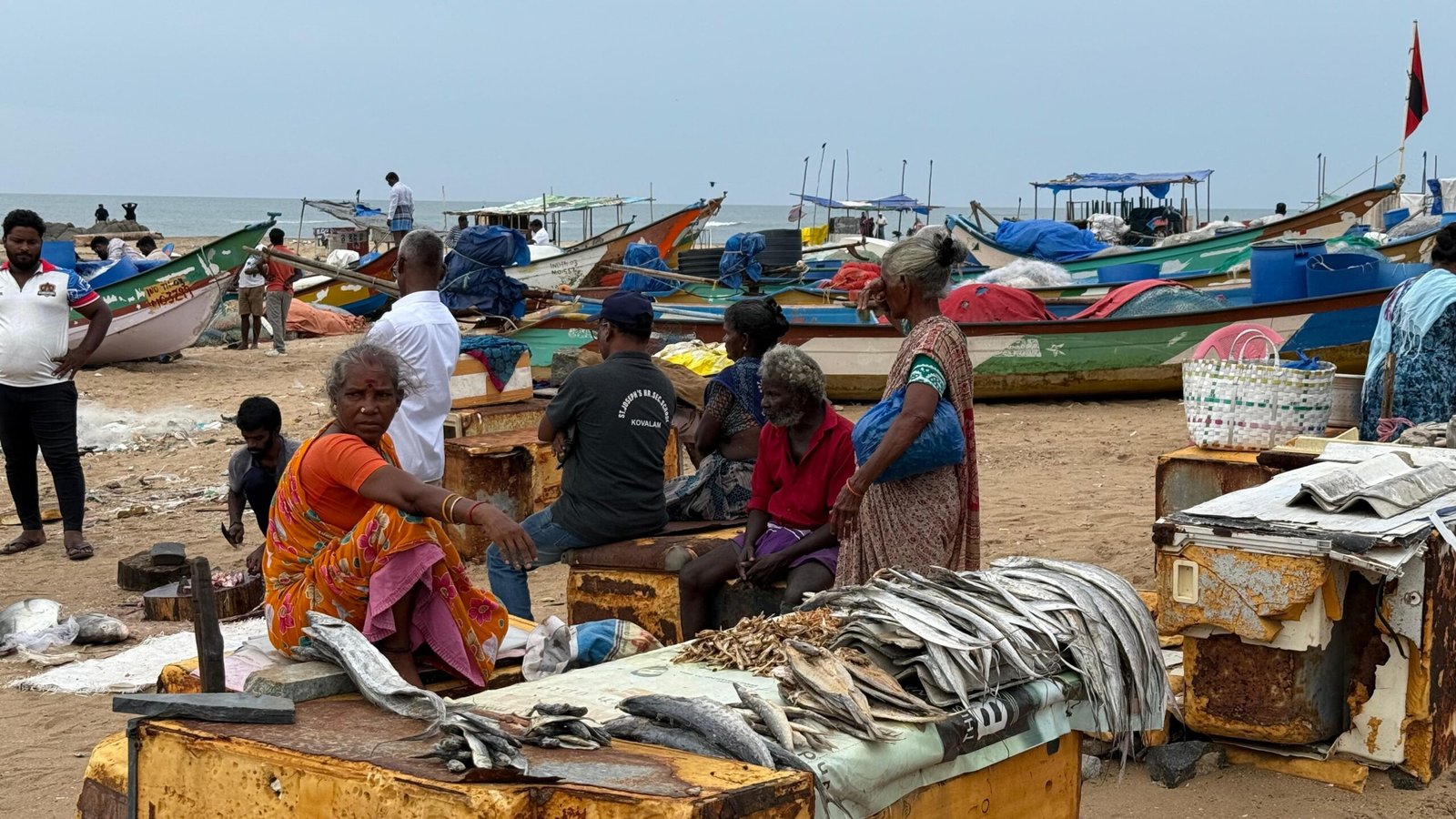
Women account for nearly 44 per cent of India’s 23.12 million inland fisher population, while pollution, habitat degradation and competing demands for freshwater resources pose major challenges to the sustainability of the sector, according to a report.
The country profile on India’s inland small-scale fisheries prepared by the Bay of Bengal Programme Inter-Governmental Organisation (BOBP-IGO) in association with the Food and Agriculture Organisation (FAO) of the United Nations emphasises the importance of making women’s work more visible in fisheries statistics and development planning, alongside addressing environmental pressures and livelihood challenges affecting the sector.
According to the report, women constitute a significant 10.10 million among the country’s 23.12 million inland fishers. The profile also reveals that women’s contributions to post-harvest activities and unpaid family work are not properly documented.
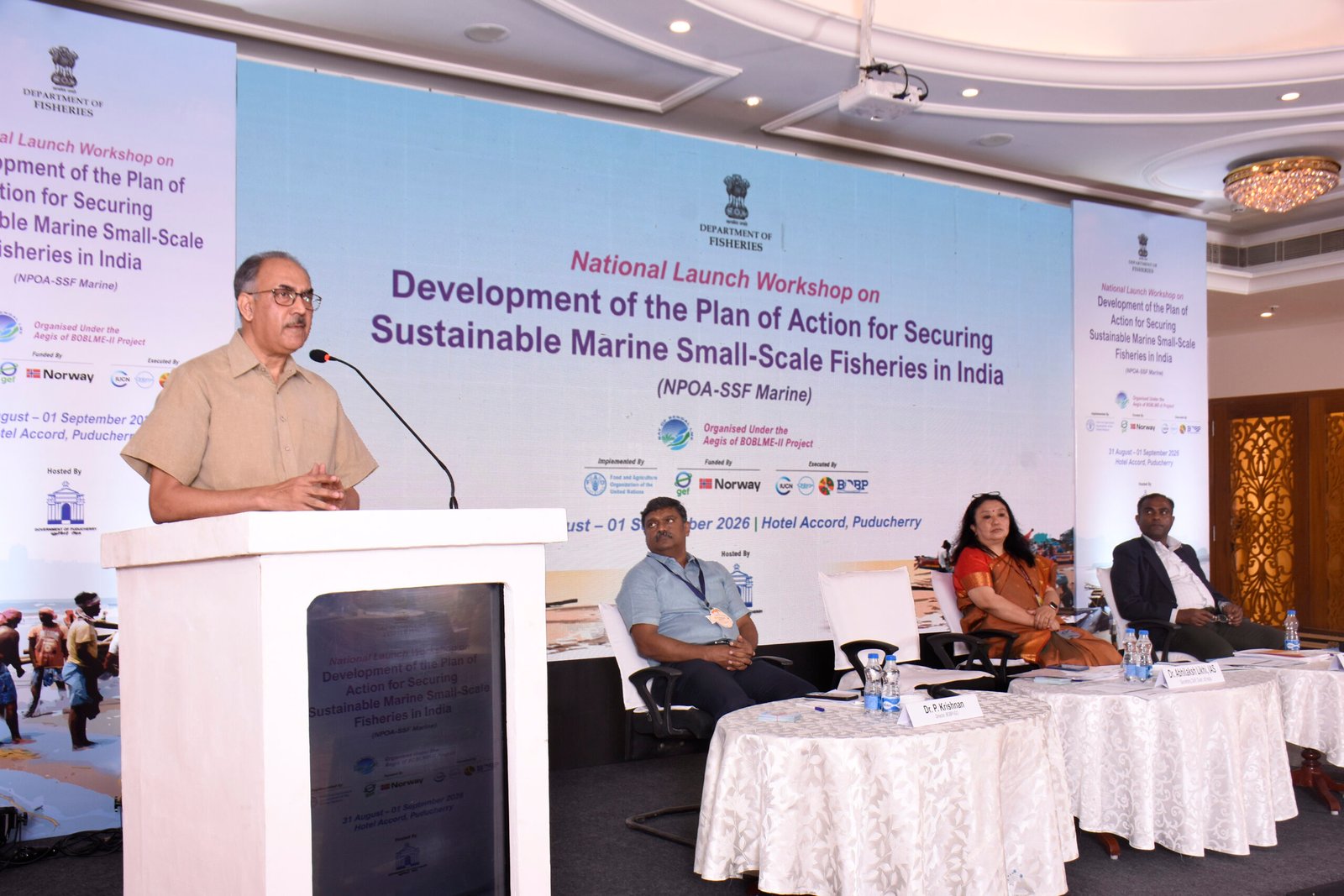
The country profile was presented during the launch workshop on National Plan of Action (NPOA) on Small-Scale Inland Fisheries held in Bhopal, Madhya Pradesh on Thursday.
Pollution, habitat degradation and disrupted river connectivity are among the key concerns identified in the profile. Competing demands for water, including irrigation and other uses, along with floods, droughts and reservoir drawdown, can add pressure to fisheries resources and the communities that depend on them.
It also identifies insecure fishing access and leasing arrangements, along with overlapping responsibilities among fisheries, irrigation, forest, revenue and local authorities, as issues requiring attention.
“These concerns assume greater significance amid growing attention to climate resilience and the need to manage freshwater resources sustainably. Maintaining aquatic habitats and accounting for fisheries in wider water-resource planning are important to sustaining fish populations and local livelihoods”, said Dr P Krishnan, Director of BOBP-IGO. The inter-governmental body provides operational guidance and technical support for the development of NPOA across Bay of Bengal countries, helping translate regional priorities into country-level action.
Flagging gaps in data collection, he said that subsistence fishing and informal marketing channels are under-represented in available statistics. “Better recognition of women’s roles, the profile indicates, is important for understanding the sector’s workforce and ensuring that fisheries development initiatives adequately reflect the needs and contributions of women”, Dr Krishnan added.
Improved data on fishers, catches and individual water-body ecosystems could help authorities design more targeted interventions and assess the contribution of small-scale fisheries to livelihoods and food security, he said.
India’s efforts are underway to develop the national action plan on the sector with a coordinated framework for sustainable resource management and livelihood security. The two-day national launch workshop is organised by the Department of Fisheries, Government of India, in collaboration with BOBP-IGO and hosted by the Government of Madhya Pradesh. With technical oversight from FAO and scientific support from ICAR fisheries institutes, the workshop aims to develop a coordinated framework for sustainable resource management, stakeholder engagement and livelihood security, aligned with FAO’s Voluntary Guidelines for Securing Sustainable Small-Scale Fisheries.