Draft National Plan of Action for Small-Scale Fisheries will be published on November 21 this year
Puducherry: India has moved into the next crucial phase in the development of the National Plan of Action for small-scale fisheries, taking the country a step closer towards the robust framework aimed at protecting livelihood of millions of small-scale fishers in the country.
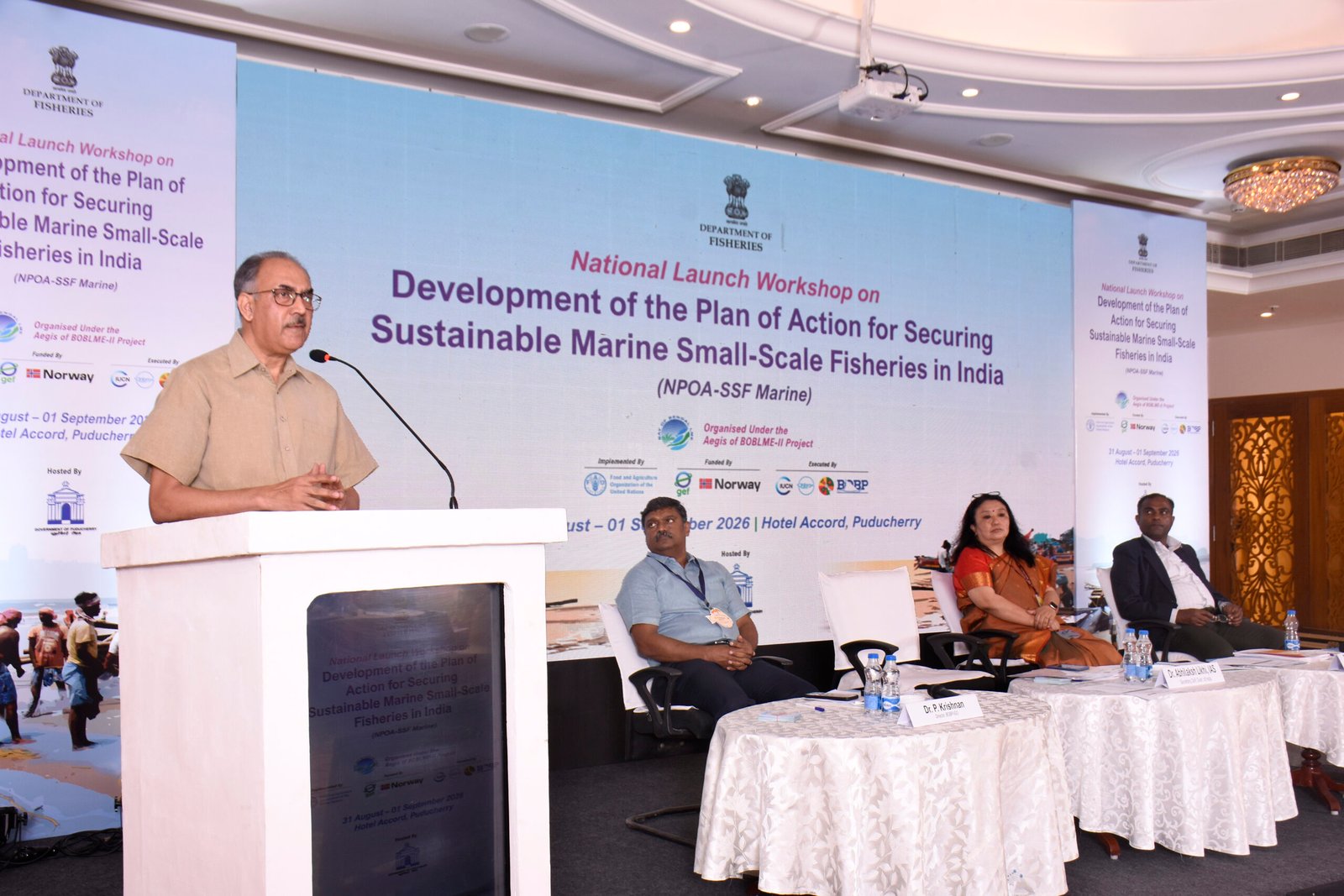
Union Fisheries Secretary Dr Abhilaksh Likhi on Tuesday formally launched India’s development phase of the National Plan of Action for Small-Scale Fisheries (NPOA-SSF) suggested by the Food and Agriculture Organisation (FAO) of the United Nations. The country completed the initiation phase, involving assessment of the sector, stakeholder mapping and legal and governance gap analysis, following a stipulated framework by the FAO. The final stage will be implementation, monitoring and evaluation of the NPOA to be developed at the present phase. The draft of the NPOA will be published on the occasion of the World Fisheries Day on November 21.
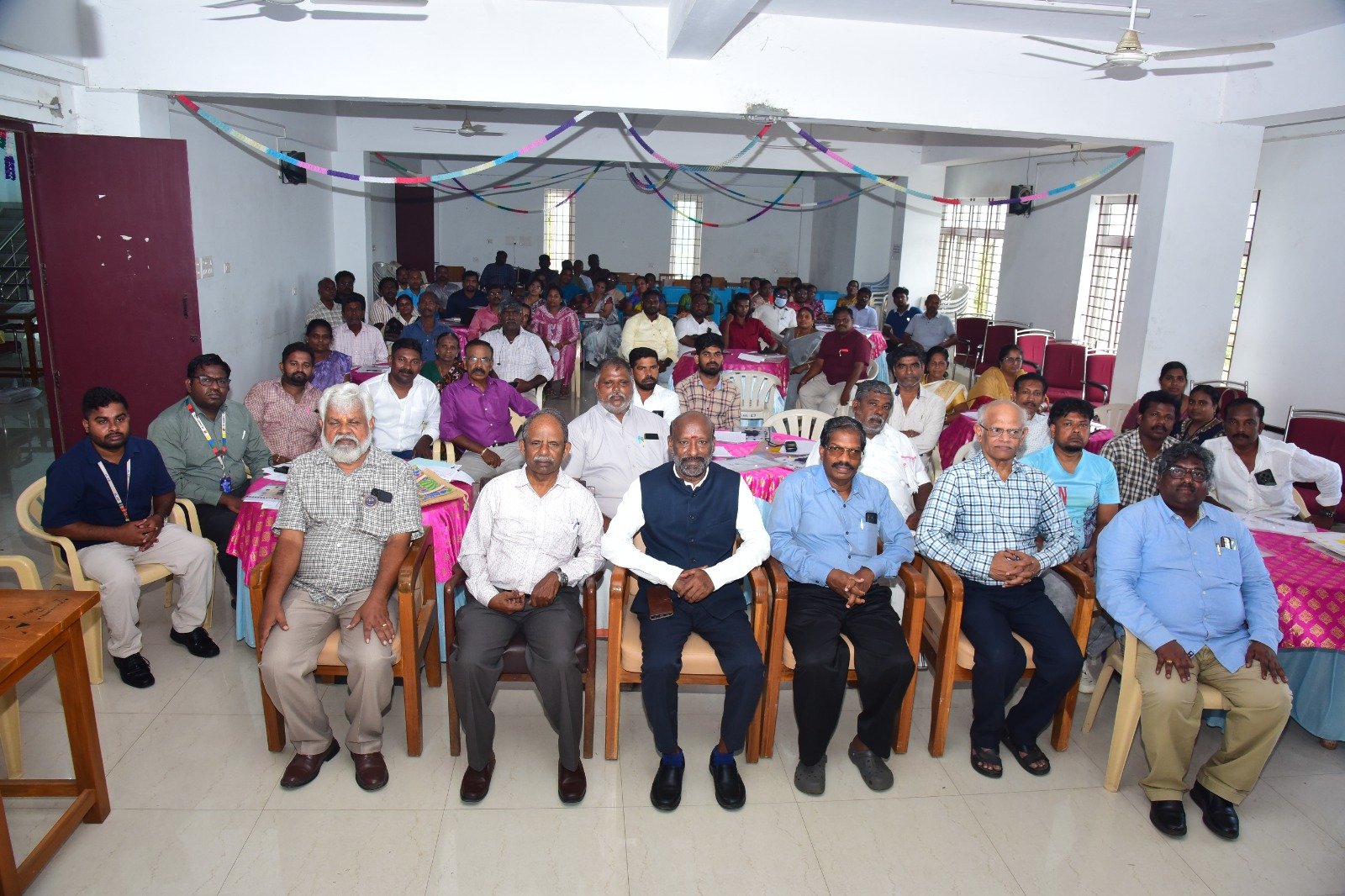
This was announced at the valedictory session of a two-day national workshop held in Puducherry to evaluate the first phase of the FAO-guided NPOA-SSF process.
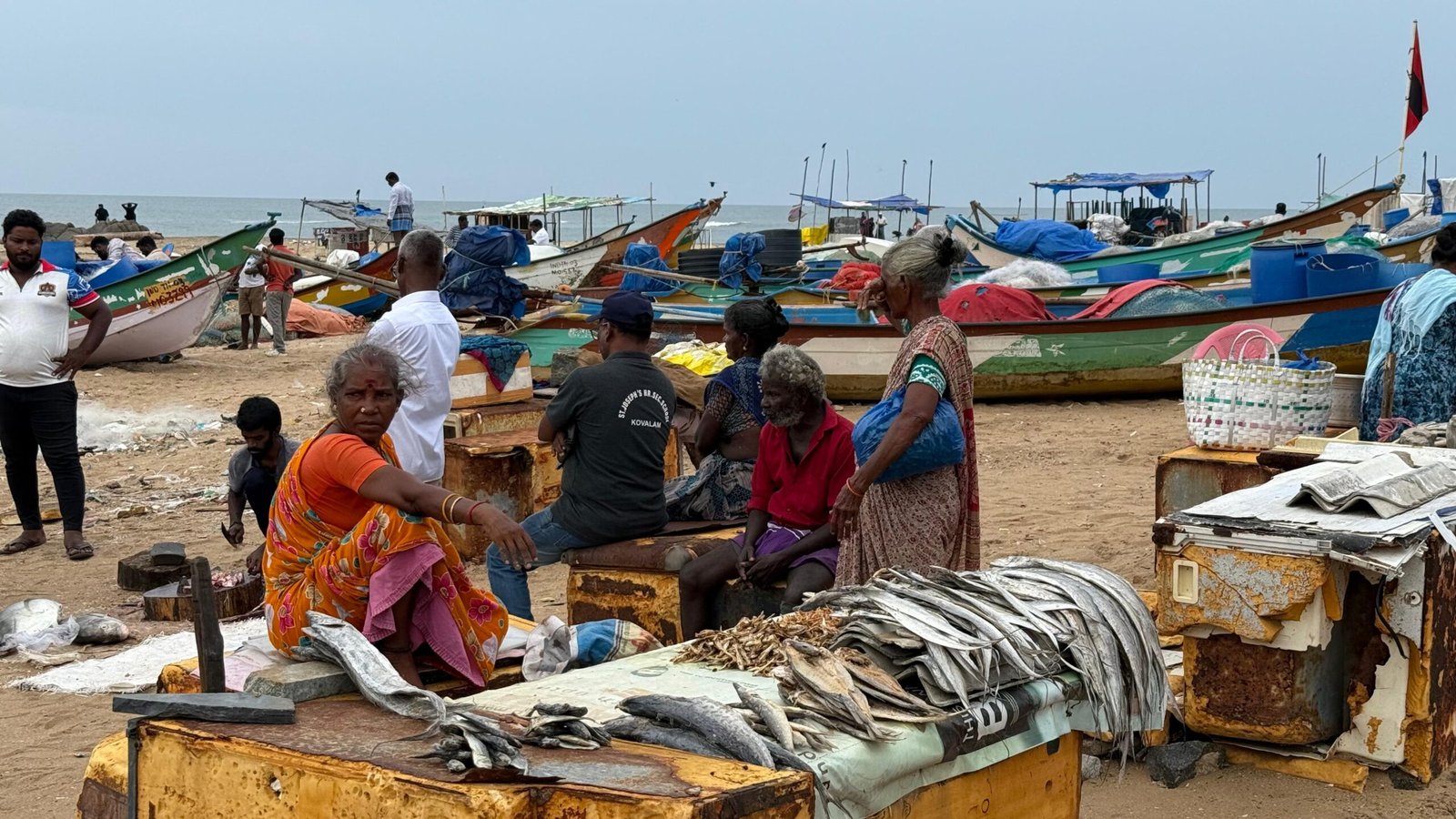
Describing the exercise a crucial step in the development of small-scale fishers of the country, the Fisheries Secretary said that India’s marine fisheries are small-scale, but they are also highly diverse. “The NPOA-SSF must move beyond being a policy document and become a practical framework that delivers meaningful support to the sector—strengthening livelihoods, improving safety, securing access to resources and building resilience among fishing communities”, Dr Abhilaksh Likhi said.
During the first phase process, the Government, with the support of the Bay of Bengal Programme Inter-Governmental Organisation (BOBP-IGO), prepared a marine small-scale fisheries profile, mapped stakeholders and undertook a governance, policy and legal review using the FAO’s SSF diagnostic framework. The exercise exposed a range of issues from data gaps on fishers and women role to weaknesses in access rights, participatory resource management, social protection, safety at sea and market access. Climate change emerged as another major concern, with fishing communities reporting rising temperatures, shifting seasons, changing fish availability, unpredictable monsoons and more frequent or intense storms and cyclones.
The Fisheries Secretary said the discussions had already resulted in changes to the intervention logic, based on concerns raised by fishers and fisherwomen over safety, loss of boats and the largely uncounted work of women in drying, curing, vending and net-making.
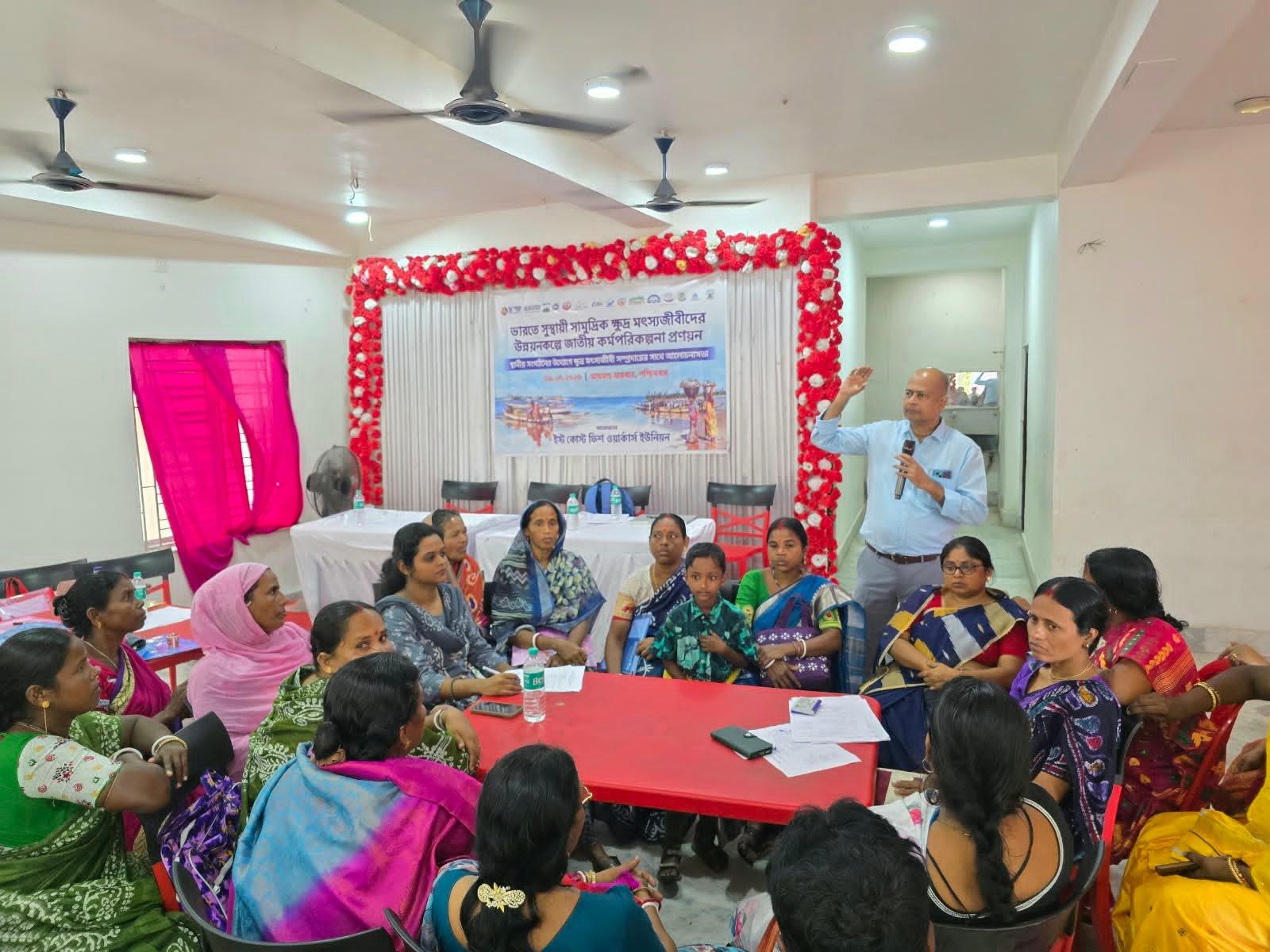
The development process will now move to State-level consultations before the proposed priorities, responsibilities, resources and implementation arrangements in the NPOA are finalised.
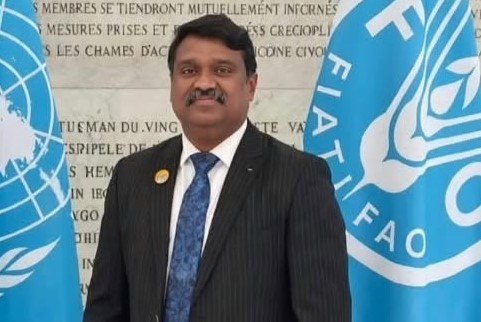
“India’s NPOA-SSF experience will help put the Bay of Bengal’s small-scale fisheries agenda on the global stage”, said Varun Tandon, International Fisheries Specialist, FAO.
The workshop was jointly organised by the Union Fisheries Department, BOBP-IGO and the FAO.
“This exercise assumes greater significance as it addresses a longstanding implementation gap in the sector. India already has policies and schemes covering several aspects of small-scale fisheries. The NPOA-SSF is intended to bring these strands together into a single, measurable and participatory national framework, with clearly identified priorities, responsibilities, resources and monitoring mechanisms”, said BOBP Director Dr P Krishnan. Safer working conditions, stronger livelihoods, better market returns, effective social protection and greater participation in decisions affecting their future are expected to be some of the outcomes of this initiative.
The workshop also marked the beginning of a wider consultation process. Discussions with fisher organisations, government agencies, researchers and civil society to be followed is expected to participate in shaping the final plan, he added. BOBP-IGO will develop operational guidelines for the consultation. Senior officials from FAO and Union Department of Fisheries, including Joint Secretary Dr Surabhi Rai, representatives from coastal states and UTs, researchers and fishermen representatives were present at the workshop.